Most people think a desert safari in Dubai costs a fortune. You see the glossy ads with golden dunes, camel rides, and luxury tents serving shisha and grilled lamb-and assume it’s only for those with deep pockets. But here’s the truth: you can have the full desert experience without spending more than 200 AED. I’ve done it. My friends have done it. Locals do it every weekend. And you can too.
Why You Don’t Need a Luxury Package
The big-name operators charge 500 AED to 1,200 AED for a safari that includes a 4x4 ride, dune bashing, camel trekking, a buffet dinner, and belly dancing. Sounds amazing? It is. But here’s what most tourists don’t realize: you only need three things to feel the magic of the desert-sand, sky, and silence. The rest is just added flair.
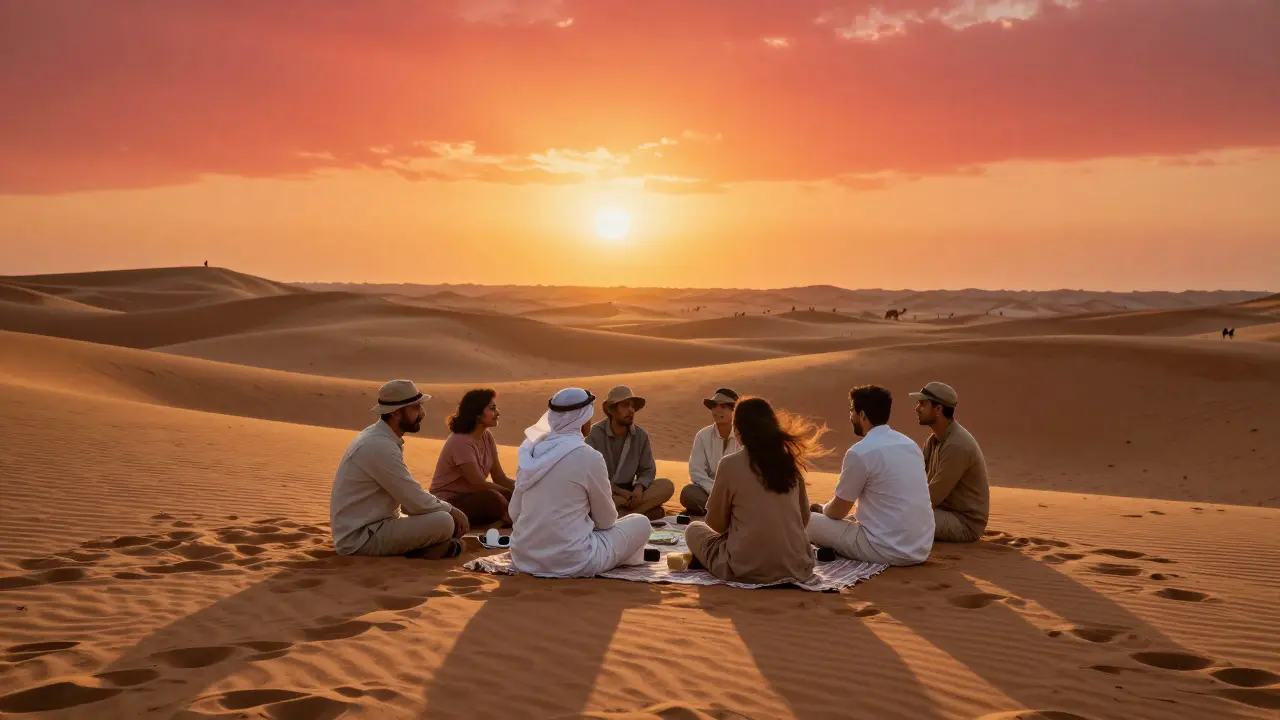
Most of the fancy extras-like live music, photo ops with costumed dancers, or unlimited soft drinks-are nice, but they don’t change how the desert feels at sunset. The wind. The way the dunes glow orange. The stars that come out so bright you forget you’re in one of the world’s busiest cities. That’s free. And it’s the part that stays with you.
How to Book a Budget Desert Safari
You don’t need to book through a hotel concierge or a fancy website. In fact, you’ll save 40% or more by going direct. Here’s how:
- Head to Al Marmoom Desert Conservation Reserve-it’s less crowded than the popular Lahbab or Red Dunes areas, and the entry fee is just 25 AED per car.
- Find a local 4x4 driver on Facebook Marketplace or Dubai Car Rental Groups. Search for “desert safari driver Dubai” and filter for people with photos of their vehicles and real reviews.
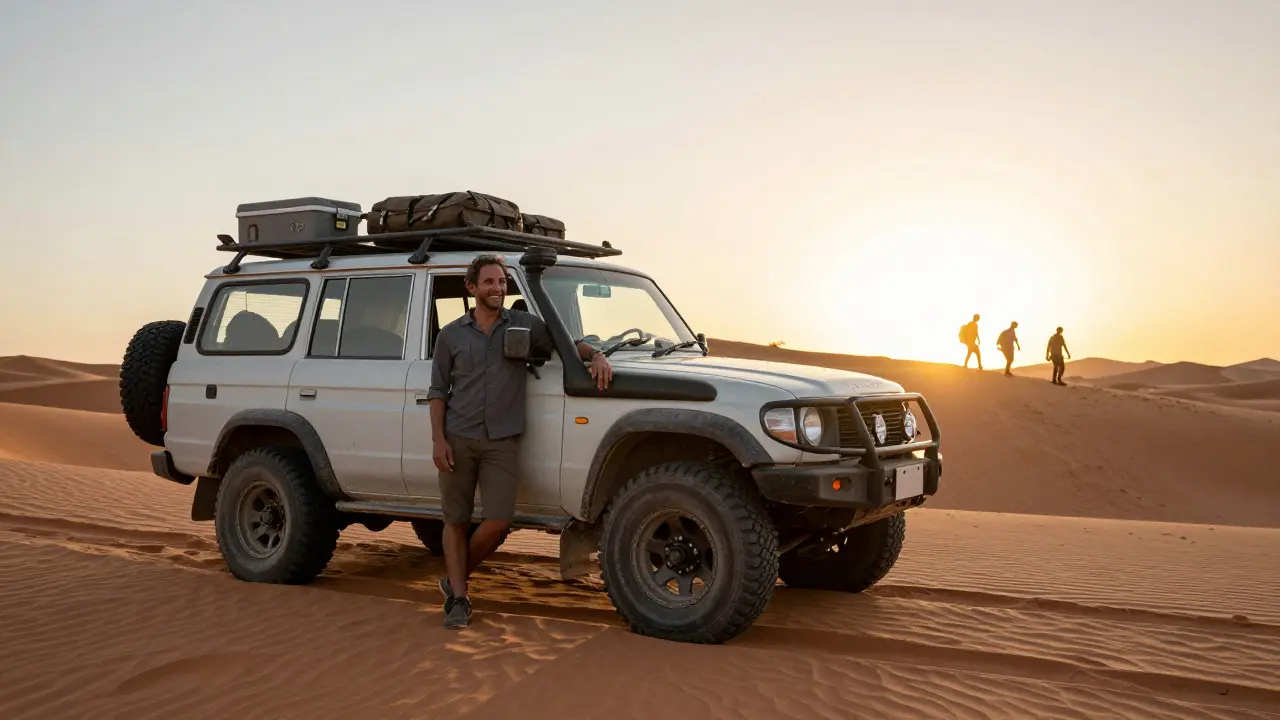
- Ask for a 3-hour package: pickup from your hotel, dune bashing, sunset stop, and drop-off. Most drivers charge between 150 AED and 200 AED for this.
- Bring your own food and water. A simple picnic of dates, bread, cheese, and bottled water costs less than 30 AED.
One driver I booked through a group called “Dubai Desert Rides” took me and three friends out for 180 AED total. We had the dunes to ourselves for over an hour. No crowds. No loud music. Just us, the engine, and the silence between the rolls of sand.
What to Pack (Seriously, This Matters)
You don’t need fancy gear. But skipping these basics will ruin your day.
- Light, loose clothing-long sleeves and pants protect you from the sun and sand. Cotton works best.
- Sunglasses and a hat-the sun reflects off the sand like a mirror. I’ve seen people get sunburned in 20 minutes.
- Shoes you don’t mind getting sandy-flip-flops are fine for the ride, but bring a pair of old sneakers if you plan to walk the dunes.
- A small towel or blanket-for sitting on the sand during sunset. No one wants sand in their jeans.
- Power bank-your phone drains fast taking photos, and you might need it to call your driver back.
Pro tip: Skip the expensive desert scarves sold at tourist shops. A regular cotton scarf from a local supermarket works just as well to cover your face when the wind kicks up.
The Best Time to Go
Timing is everything. If you go at 4 p.m., you’ll be stuck in traffic near the desert entrance. If you go at 7 p.m., you’ll miss the golden hour.
Here’s the sweet spot: leave your hotel at 3:30 p.m. Arrive at the desert by 4:15 p.m. Start dune bashing at 4:45 p.m. Be at your sunset spot by 5:30 p.m. Watch the sky turn from gold to deep red. Stay until the first stars appear. Then head back by 7:00 p.m.
Winter months (November to March) are ideal. Daytime temps hover around 25°C. By 6 p.m., it’s cool enough to enjoy the silence without a jacket. In summer? Don’t even try. 45°C in the desert isn’t an adventure-it’s a health risk.
Skip the Camel Ride (Yes, Really)
Camel rides are a classic photo op. But they’re expensive (50-100 AED), often involve long waits, and the camels are overworked. Most are kept in poor conditions near tourist zones.
Instead, walk up a dune. Climb to the top. Sit. Watch the world below. That’s the real camel ride. No one’s holding your hand. No one’s yelling “smile!” for a photo. Just you, the wind, and the endless sand. That moment costs nothing-and it’s priceless.
Where to Eat Afterward
You don’t need a fancy desert dinner. Skip the buffet with 12 types of rice and 3 kinds of kebab. Instead, head to a local shawarma spot.
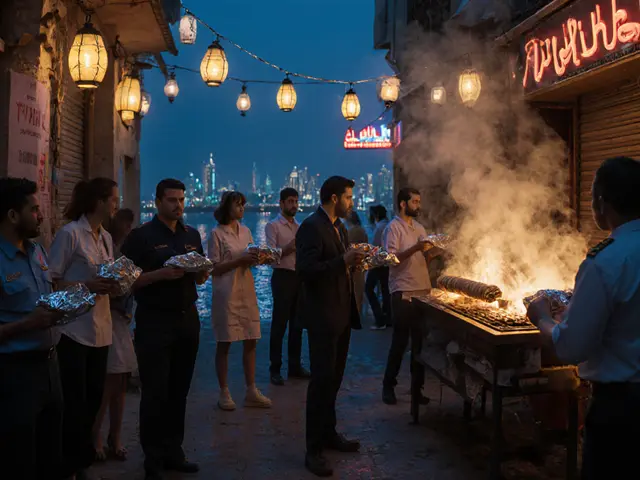
My favorite: Al Mallah Shawarma in Al Quoz. Two shawarmas, a side of hummus, and a bottle of lemonade cost 45 AED. You eat it in the car on the way home, still buzzing from the ride. That’s a better memory than a plated meal under fairy lights.
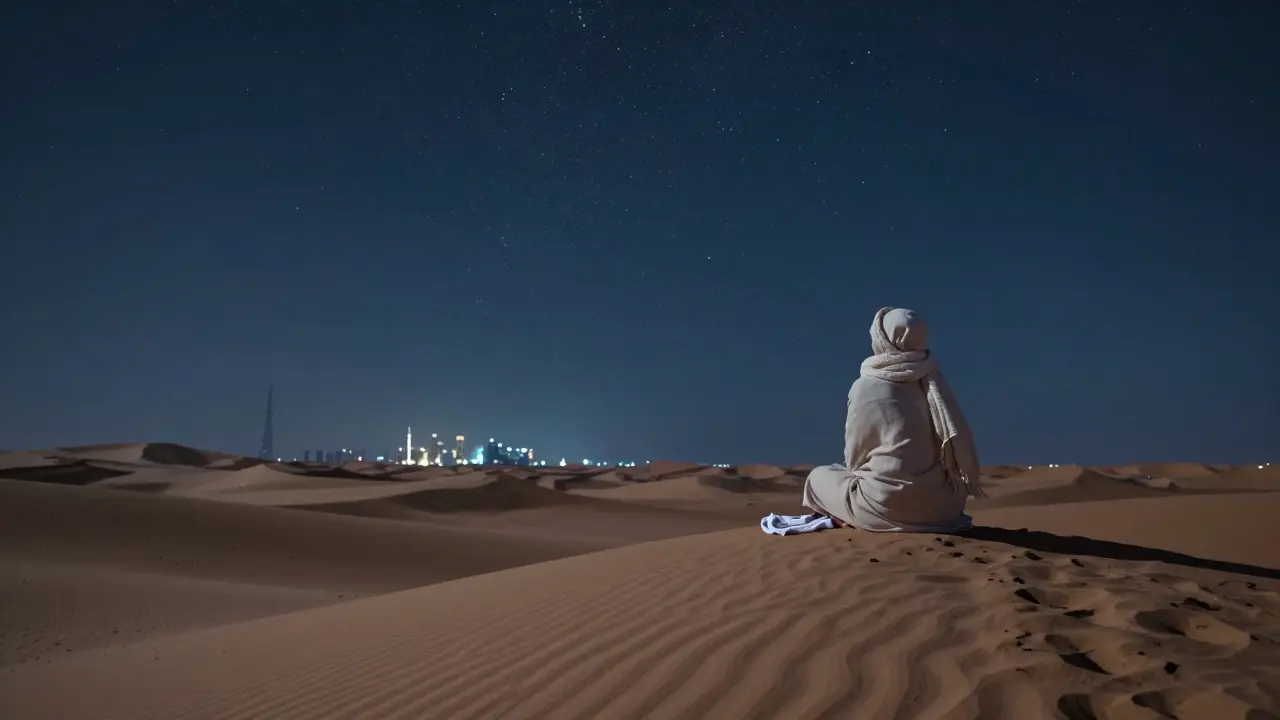
Or grab a coffee at Starbucks in Al Barsha-yes, really. They have outdoor seating, and after a day in the desert, nothing feels better than sitting under a lamp with a cold drink, watching the city lights come on.
What Most Tourists Get Wrong
They think the desert safari is about the ride. It’s not. It’s about the stillness after the ride.
They think they need to see everything. They don’t. One perfect sunset, one quiet moment on a dune, one laugh with friends under the stars-that’s enough.
They think they need to spend money to feel it. They don’t. The desert doesn’t care if you paid 200 AED or 1,200 AED. It gives the same magic to everyone who shows up with respect, patience, and an open heart.
Final Tip: Go with Locals
If you know someone who lives in Dubai, ask them to take you. Locals know the quiet spots, the best drivers, the cheapest eats, and the hidden trails. They’ll show you the desert the way it’s meant to be seen-not as a package, but as a place.
And if you don’t know anyone? Start a conversation at your hotel lobby. Ask the housekeeping staff. Ask the guy at the convenience store. Most of them have been to the desert a dozen times. They’ll tell you where to go. And they’ll be happy you asked.
The desert doesn’t need your money. It just needs your presence.
Can I do a desert safari on my own without a driver?
Yes, but only if you have a 4x4 vehicle with low-range gears and off-road tires. Most rental cars in Dubai aren’t built for dunes. If you’re not experienced with sand driving, stick with a local driver. Sand can swallow a regular car in seconds. Safety first.
Is it safe to go alone to the desert?
It’s not recommended. The desert is vast, and GPS can fail. Cell service is spotty. Even if you’re experienced, always go with at least one other person. Tell someone your plans and estimated return time. Bring a portable radio or satellite messenger if you’re venturing far from main routes.
Are there free desert safari tours in Dubai?
No official free tours exist, but you can create your own for under 200 AED. Some community groups organize low-cost group trips for expats. Check Facebook groups like "Expats in Dubai" or "Dubai Backpackers"-people often post shared rides for 50 AED per person.
What’s the best season for a budget desert safari?
November through March. The weather is mild, the skies are clear, and you won’t need AC in the car. Avoid May to September-temperatures hit 45°C, and the heat makes the dunes feel like an oven. Even the camels stay in the shade.
Do I need a visa to do a desert safari in Dubai?
No. If you’re already in Dubai, you don’t need a special visa for desert tours. The Al Marmoom Desert Conservation Reserve is open to all visitors with a valid UAE entry stamp. Just make sure your passport is valid and you have proof of accommodation.
Next Steps: What to Do After Your Safari
After your trip, take five minutes to write down what you felt. Not what you saw-what you felt. The quiet. The wind. The way the stars looked bigger than you remembered. That’s the real souvenir.
Then, share it. Tell a friend. Post a photo without filters. Tag the place. Don’t wait for the perfect shot. The best moments aren’t curated. They’re real. And they cost less than a coffee.