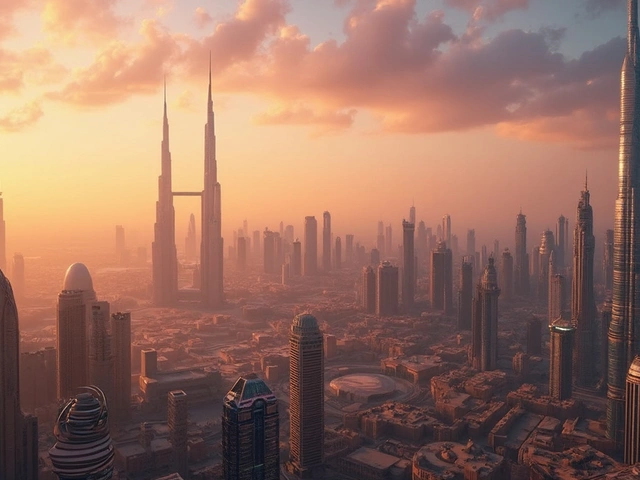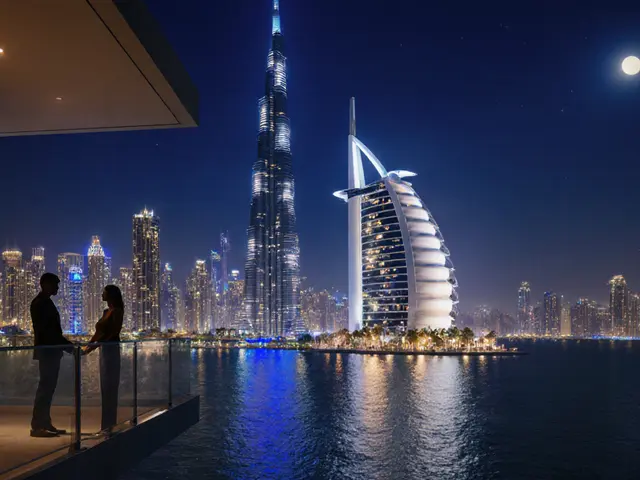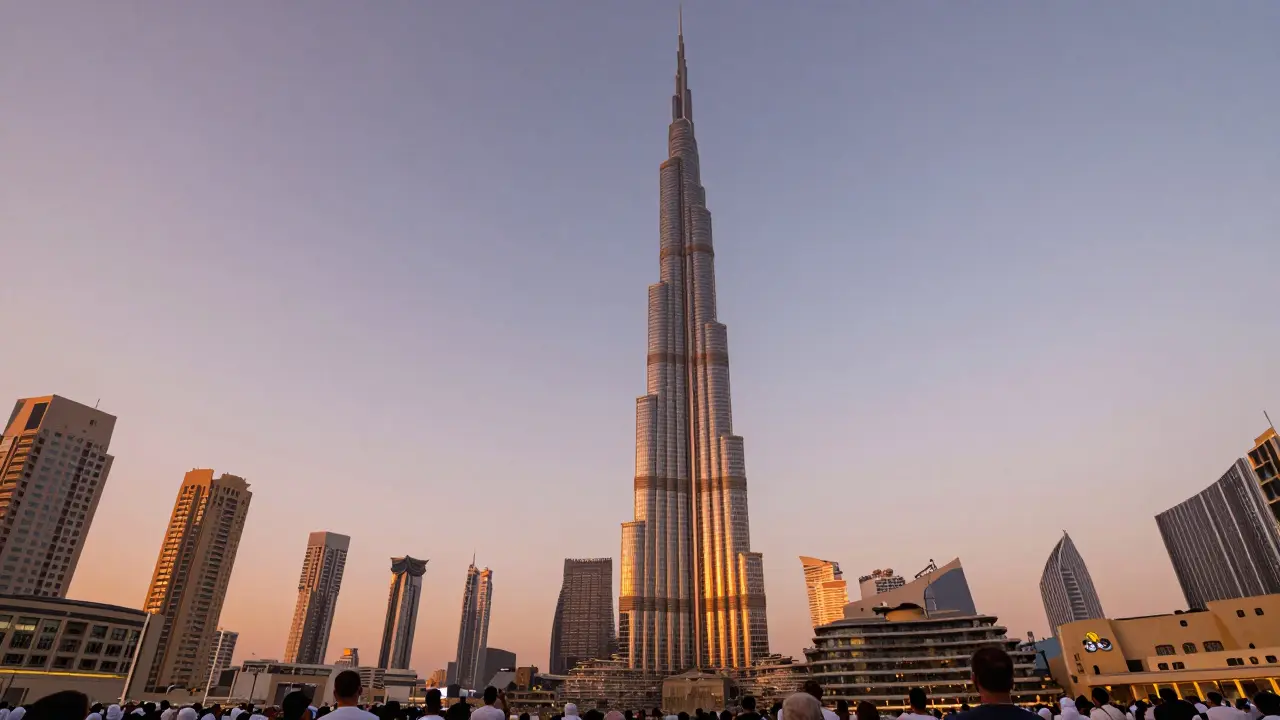
The Burj Khalifa isn’t just a building. It’s a statement. When it opened in 2010, it didn’t just break records-it redefined what a city could dream of. Standing at 828 meters, it’s the tallest structure ever built by human hands. More than steel and glass, it’s a physical manifestation of Dubai’s refusal to accept limits.
How High Is High?
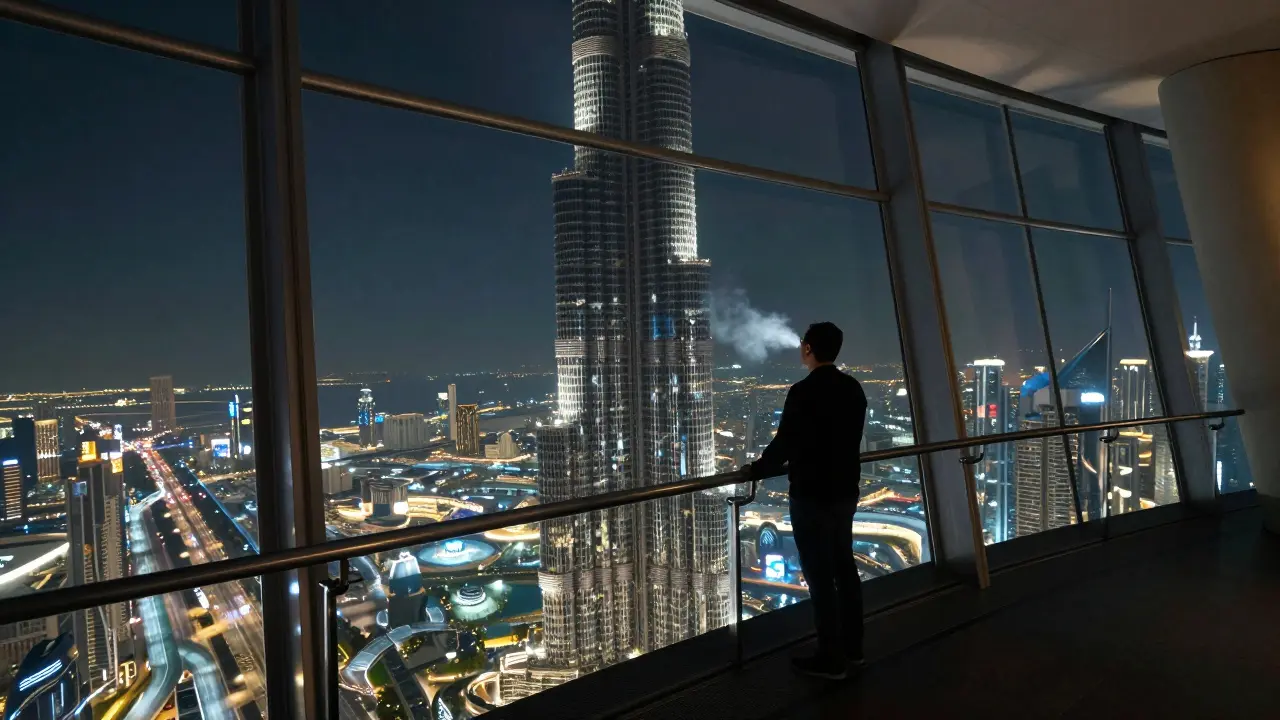
Most people think of skyscrapers in terms of floors. The Burj Khalifa has 163 occupied levels. But that number doesn’t tell the whole story. The building rises higher than the Empire State Building and the Willis Tower combined. Its spire alone is taller than most skyscrapers in North America. The observation deck on the 124th floor sits at 452 meters. Visitors there look down on helicopters. The highest outdoor observation deck, on level 148, is nearly 555 meters above ground. That’s higher than the Eiffel Tower is tall.
It’s not just height that’s impressive. The structure had to withstand desert winds that gust over 100 kilometers per hour. Engineers designed a Y-shaped floor plan to reduce wind sway. They used high-performance concrete that can handle extreme temperatures-up to 50°C in summer. The exterior cladding is made of reflective glazing that cuts solar heat gain by 50%. This isn’t architecture for show. It’s architecture that solves real problems.
A City That Bet Everything
Dubai didn’t have oil wealth to fall back on when it decided to build the world’s tallest building. It had vision. In the early 2000s, the city was already known for luxury malls and artificial islands. But the Burj Khalifa was different. It was a gamble. The project cost over $1.5 billion. No bank would fund it alone. So Dubai’s government used sovereign wealth funds, private investors, and state-backed loans. They bet that the world would come to see it.
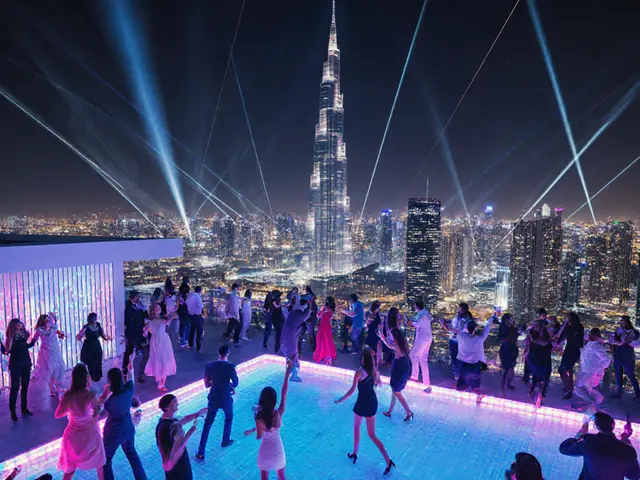
And they were right. Over 1.5 million people visit the Burj Khalifa every year. It’s not just tourists. It’s businesses. Over 30,000 people work in the tower daily. There are luxury apartments, corporate offices, hotels, and even a private gym on the 76th floor. The tower isn’t a monument frozen in time. It’s alive. People live in it. Work in it. Eat in it. And every night, its lights turn into a canvas for digital shows that draw crowds from across the city.
Engineering That Defied Logic
Building something this tall had never been done before. There was no rulebook. Engineers had to invent new methods. The foundation alone required 45,000 cubic meters of concrete-enough to fill 18 Olympic swimming pools. They poured it in stages over 14 months. The steel reinforcement was custom-made to handle the lateral forces of wind. The elevators? They’re the fastest in the world. They travel at 10 meters per second. That’s 36 kilometers per hour. You go from the ground floor to the 124th floor in under a minute.
The construction team used a climbing formwork system that moved up the building as it grew. Each level was poured, cured, and then lifted, like a 3D printer building upward. They worked 24 hours a day, seven days a week. At its peak, over 12,000 workers from 100 countries were on site. This wasn’t just construction. It was a global collaboration.
More Than a Tower
The Burj Khalifa changed how people see Dubai. Before it, the city was known for beaches and shopping. After it, people started asking: What else could they build? The tower inspired the Dubai Creek Tower, the upcoming Dubai Metro expansion, and even the planned Dubai Metro Loop. It became a symbol not just of height, but of ambition.
It’s also a cultural landmark. Every New Year’s Eve, the Burj Khalifa hosts the world’s largest fireworks display. Millions watch live. The building lights up with colors that reflect global events-rainbow hues for Pride, red and white for UAE National Day, blue and green for Earth Day. It’s not just a building. It’s a signal. A way for Dubai to say: we’re here, and we’re not done.
Who Lives and Works There?
The Burj Khalifa isn’t just for visitors. It’s a vertical city. The top 30 floors are private residences. One apartment on the 100th floor sold for $30 million in 2022. The Armani Hotel occupies floors 1-39. It’s the first hotel designed entirely by Giorgio Armani. There are 16,000 square meters of office space on floors 45-108. Companies like Oracle, Accenture, and Emirates have offices here.
The building has its own water treatment plant, power generators, and waste management system. It recycles 80% of its wastewater. The cooling system uses 150,000 liters of chilled water every hour. All of this runs on a single integrated management system. It’s one of the most technologically advanced buildings on Earth.
What’s Next?
Even though the Burj Khalifa has held the title of tallest building for over 14 years, no one expects it to be the last. Jeddah’s Kingdom Tower is planned to be taller. But the Burj Khalifa’s legacy isn’t about staying #1. It’s about proving that ambition, when paired with precision, can move mountains. Literally.
Dubai didn’t build the Burj Khalifa to impress the world. They built it because they believed they could. And now, every time you see it glowing at night, you’re not just seeing a building. You’re seeing what happens when a city dares to reach higher.
How tall is the Burj Khalifa?
The Burj Khalifa stands at 828 meters (2,717 feet) tall. This includes its spire. Without the spire, the roof height is 828 meters. It has held the title of the world’s tallest building since its opening in 2010.
How many floors does the Burj Khalifa have?
The Burj Khalifa has 163 occupied floors. These include residential units, hotel rooms, offices, observation decks, and mechanical levels. The number of floors doesn’t include the spire or the underground parking levels.
Can you visit the Burj Khalifa?
Yes, visitors can access multiple observation decks. The highest public viewing area is on Level 148, at 555 meters. There’s also the popular At the Top Sky Lounge on Level 124 and Level 125. Tickets must be booked in advance, and prices vary depending on the time of day and deck selected.
How long did it take to build the Burj Khalifa?
Construction began in 2004 and was completed in 2010. It took just over six years to build, with peak construction activity involving over 12,000 workers. The building was officially opened on January 4, 2010.
What materials were used to build the Burj Khalifa?
The Burj Khalifa used over 330,000 cubic meters of concrete, 39,000 metric tons of steel reinforcement, and 14,000 glass panels. The exterior cladding is a combination of reflective glazing and aluminum with textured spandrel panels. The concrete mix was specially developed to withstand Dubai’s extreme heat and high wind loads.