What a Desert Safari Really Feels Like
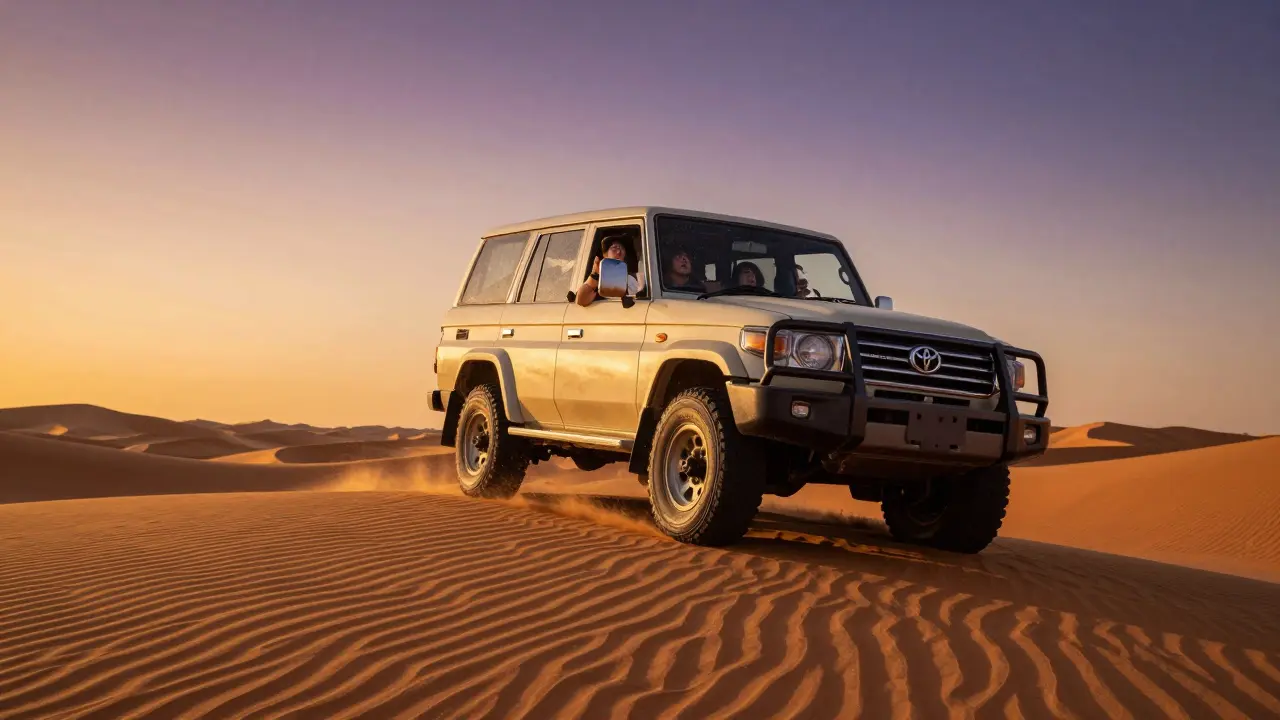
You think you know what a desert safari is until you’re sitting in a 4x4 at sunset, sand flying past the windows, dunes rolling like frozen waves under a sky turning orange and purple. The engine hums. Your stomach drops as the driver hits a steep slope and the car tilts sideways. Then silence-just the wind and your own breathing. This isn’t a ride. It’s a shift in your senses. The heat fades. The stars come out sharp enough to touch. And for the first time in years, you’re not scrolling, not rushing, not thinking about tomorrow.
That’s the magic. But if you show up unprepared, you’ll miss it. You’ll be sunburned, dehydrated, or stuck in a cramped vehicle with a guide who doesn’t speak your language. Planning a desert safari isn’t about picking the cheapest package. It’s about knowing what you want: adrenaline, quiet, culture, food, or all of it.
Where to Go: The Best Deserts for Your Type of Adventure
Not all deserts are the same. The Rub’ al Khali in Saudi Arabia is the world’s largest continuous sand desert-vast, empty, and brutal. If you’re after raw isolation, that’s your spot. But if you’re flying into Dubai, Abu Dhabi, or Oman, you’re landing near dunes built for tourists… and that’s not a bad thing.
For first-timers, the Dubai Desert Conservation Reserve is the gold standard. It’s protected land, not a theme park. The dunes here are tall, soft, and perfect for dune bashing. The Abu Dhabi Liwa Desert has longer, more dramatic slopes-ideal for serious 4x4 drivers. In Oman, the Wahiba Sands offer a more authentic Bedouin experience, with fewer crowds and real desert camps run by local families.
Choose based on what you’re after:
- Thrill-seekers: Dubai or Abu Dhabi for steep dunes and fast rides
- Photographers: Wahiba Sands at golden hour-fewer people, cleaner light
- Culture lovers: Oman or Saudi Arabia for real Bedouin hospitality
Booking Your Safari: What to Look For (and What to Avoid)
Don’t just book the first Google result. A bad tour can ruin your day. Here’s what separates the good from the garbage:
- Vehicle type: Make sure it’s a proper 4x4 with roll bars, not a modified SUV. Ask for the make-Toyota Land Cruisers or Land Rover Defenders are standard for a reason.
- Group size: Avoid tours with more than 8 people. Crowded vehicles mean less time on the dunes and more waiting.
- Guide language: Confirm the guide speaks English. If they don’t, you’ll miss stories about the desert, the stars, the wildlife.
- What’s included? Watch out for “all-inclusive” that only means a basic buffet. Ask: Is camel riding included? Is there a traditional dinner? Is the camp air-conditioned?
Pro tip: Book through a licensed operator. In Dubai, check the Dubai Tourism website for approved providers. In Oman, look for companies registered with the Ministry of Tourism. These places follow safety rules, carry insurance, and don’t overbook.
What to Wear: Dress Smart, Not Stylish
Forget your designer sunglasses and sandals. The desert doesn’t care how you look. It cares if you’re covered.
- Layers: Mornings and nights are cool-sometimes under 15°C. Bring a light jacket or shawl. During the day, it hits 40°C. Wear loose, light-colored cotton. Dark clothes soak up heat.
- Head and face: A wide-brimmed hat is non-negotiable. A buff or scarf helps block sand and sun. Sunglasses with UV protection? Essential.
- Footwear: Closed-toe shoes. Sand gets everywhere. You’ll be walking on hot ground, climbing dunes, and sitting on rough fabric. Flip-flops? You’ll regret it.
- For women: No need for full coverage unless you’re visiting a traditional camp. But avoid tight clothes. Loose pants and a long top are comfortable and respectful.
And leave the perfume at home. It attracts insects-and no one wants to be the person buzzing with flies at dinner.
The Must-Do Activities: Beyond Dune Bashing
Dune bashing is the headline act, but it’s not the whole show. A great desert safari includes moments that stick with you long after you’ve left.
- Camel riding: It’s not just for photos. Riding a camel at sunset gives you a slow, quiet view of the desert you can’t get from a car. Most camps include this-ask for a 15-20 minute ride.
- Desert wildlife spotting: The Arabian oryx, sand foxes, and even the rare desert hare live here. A good guide will point them out at dawn or dusk.
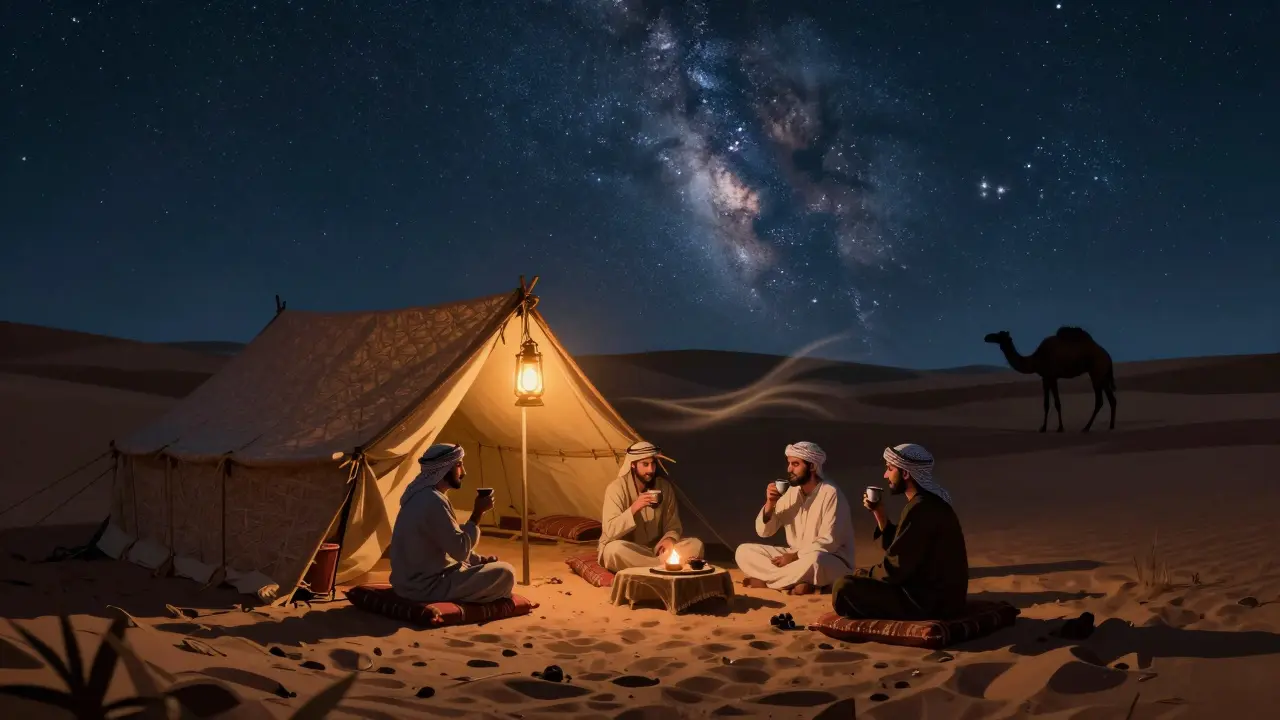
- Stargazing: No city lights. No haze. The Milky Way looks like a spilled bucket of glitter. Some camps even bring telescopes. Don’t skip this.
- Traditional entertainment: Belly dancing, tanoura shows, and live oud music are common at dinner camps. It’s not high art-it’s warm, fun, and real.
- Sandboarding: If you’re feeling adventurous, try it. It’s like snowboarding, but on sand. Most camps offer boards and a quick lesson.
Don’t rush. The best moments happen between the activities-sipping mint tea, watching the sky change, listening to the silence.
Food and Drink: What to Expect at the Camp
Most desert safaris include dinner. And yes, it’s usually a buffet. But the quality varies wildly.
Good camps serve:
- Grilled meats-lamb, chicken, or camel (yes, camel)
- Arabic rice with spices like saffron and cardamom
- Tabbouleh, hummus, and flatbread
- Fresh fruit and dates
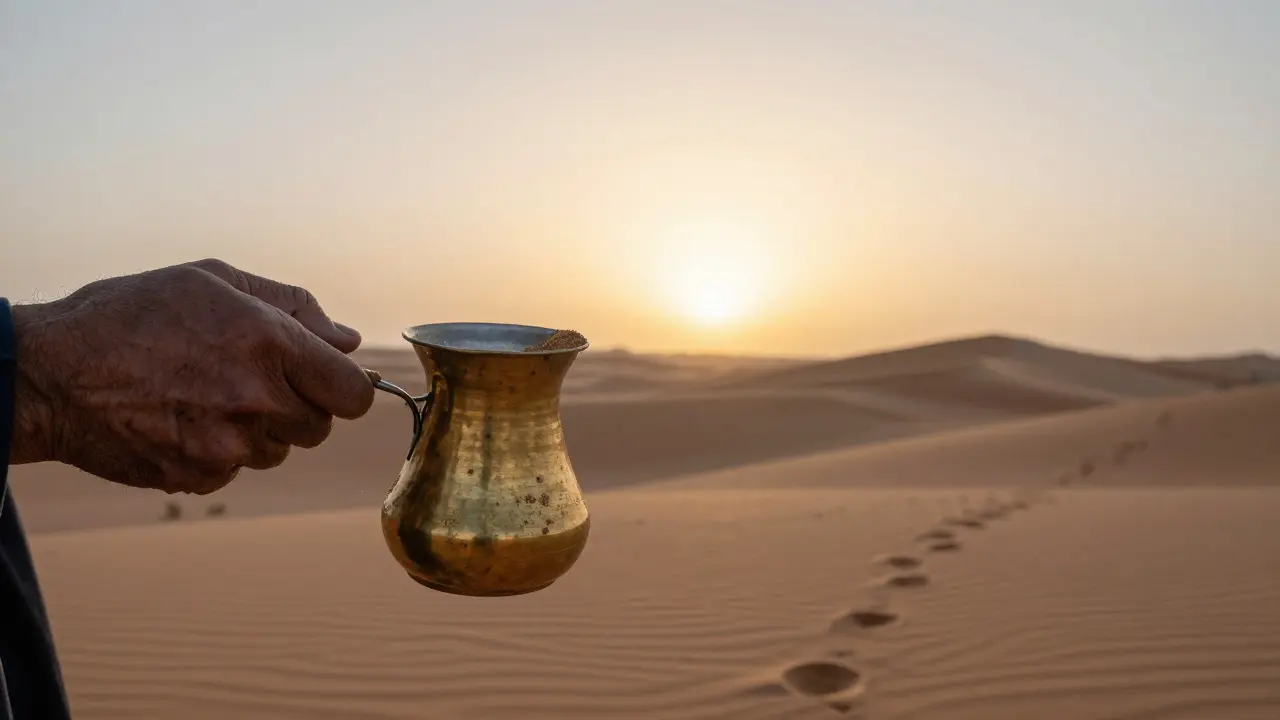
- Arabic coffee and sweet tea
Bad camps? They serve lukewarm chicken, soggy fries, and plastic-wrapped desserts. Ask ahead. Reputable operators show you sample menus online. If they don’t, assume the worst.
Drink water. Always. Even if you’re not thirsty. Dehydration sneaks up fast. Bring your own bottle if you’re unsure about the camp’s supply.
Timing: When to Go and How Long to Stay
Desert safaris run year-round, but the best time is October to March. April to September? It’s hot-45°C and above. You’ll sweat through your clothes before the ride even starts.
Most tours start around 3 PM. Why? You catch the sunset, ride the dunes in cooler air, and end the night under stars. The whole thing lasts 5-7 hours. Some offer overnight stays in desert camps. That’s worth it if you can afford it. Waking up to silence, watching the sun rise over endless sand? It changes something in you.
If you’re short on time, a 5-hour evening tour is enough. If you’re looking for peace, go overnight. You’ll get the full experience-no rush, no crowds, no noise.
What to Bring: The Non-Negotiables
You don’t need much, but what you bring matters:
- Reusable water bottle (at least 1 liter)
- High SPF sunscreen (reapply before sunset)
- Power bank (your phone will die taking photos)
- Small flashlight or headlamp (for walking to the bathroom at night)
- Camera with manual settings (for night shots)
- Light towel (for wiping sand off your face)
- Medication (allergy pills, motion sickness tablets if you’re prone to it)
Leave your expensive jewelry at home. Sand gets in everything. And don’t bring a big backpack. A small crossbody bag is enough.
Common Mistakes and How to Avoid Them
People mess up the same ways every time:
- Skipping sunscreen: You think the car will protect you. It won’t. Sand reflects UV. You’ll burn in 20 minutes.
- Wearing jeans: They get heavy with sand. They’re hard to move in. Cotton pants are better.
- Expecting luxury: This isn’t a resort. The camp is basic. Sand on the floor? Yes. Air conditioning? Sometimes. That’s part of the charm.
- Not tipping: Guides and drivers work hard. $5-$10 per person is standard if you had a good experience.
- Trying to do it all in one day: If you’ve got a beach day and a desert safari booked back-to-back? You’ll be exhausted. Space them out.
Is a Desert Safari Worth It?
Yes-if you go in with the right expectations. It’s not a theme park ride. It’s not a luxury spa day. It’s raw, real, and humbling. You’ll get sand in places sand shouldn’t be. You’ll laugh at how unprepared you were. And you’ll remember the quiet for years.
It’s the one thing you can’t get from a photo. You have to be there. The wind. The heat. The stars. The silence. That’s what sticks.
Can children join a desert safari?
Yes, but check age limits. Most operators allow kids 3 and up. Dune bashing can be rough-kids under 6 should sit in the middle seats with seatbelts. Avoid overnight trips with toddlers. Bring snacks, extra clothes, and a favorite toy. Some camps offer kid-friendly activities like henna tattoos or sand play.
Is it safe for pregnant women?
It’s not recommended, especially during the second and third trimesters. Dune bashing involves sharp turns and sudden stops that can be risky. If you’re in early pregnancy and feel fine, talk to your doctor first. Some operators allow light camel rides and camp visits with no driving. Skip the 4x4 ride.
What if I get motion sickness?
Dune bashing is bumpy. Take motion sickness pills 30 minutes before departure. Sit in the front seat if possible-it’s smoother. Avoid heavy meals before the ride. Ginger candies or wristbands can help too. If you’re unsure, skip the dune bashing and stick to camel rides and camp activities.
Can I do a desert safari in winter?
Winter (November to February) is the best time. Days are warm but not scorching, and nights are cool and perfect for stargazing. Pack a light jacket. The desert is quieter, the light is better for photos, and you’re less likely to heat up during the ride. It’s peak season, so book ahead.
Are desert safaris eco-friendly?
It depends. Mass tourism can damage fragile desert ecosystems. Choose operators that follow conservation rules-like staying on marked routes, limiting group sizes, and avoiding off-road driving. Support camps that use solar power, recycle water, and hire local guides. Avoid tours that encourage feeding wildlife or leaving trash behind.