Islamic Architecture in Dubai - Discover the Art, History, and Modern Influence
When you walk through Dubai, you’re not just seeing glass towers and luxury hotels—you’re walking through a living tradition of Islamic architecture, a design language rooted in faith, geometry, and craftsmanship that has shaped cities for over a thousand years. Also known as Arabesque architecture, it’s not just about domes and minarets—it’s about harmony, silence, and light working together in ways that calm the mind and honor the divine.
This style doesn’t disappear in a city like Dubai, where skyscrapers dominate. Instead, it evolves. You’ll see it in the way the Burj Khalifa’s spire echoes the shape of a minaret, or how the Dubai Creek Harbour’s walkways use repeating geometric patterns borrowed from centuries-old mashrabiya screens. Mosque architecture, a core branch of Islamic design focused on prayer, community, and spiritual focus, is everywhere—from the grand Jumeirah Mosque to quiet neighborhood prayer halls. These buildings don’t just serve worship; they teach through form. The absence of human figures, the use of calligraphy, the play of shadows through latticework—all are deliberate choices that reflect deeper values.
And then there’s the Arabic geometric patterns, intricate, repeating designs based on math and symmetry that turn walls, floors, and ceilings into living art. You’ll find them on tiles in Dubai Mall, etched into elevator panels, even printed on hotel towels. These aren’t just decorations—they’re a visual language. Each pattern, whether based on stars, hexagons, or interlaced lines, carries meaning: unity, infinity, the order of the universe. In a city obsessed with speed and scale, these patterns remind you to pause, to look closer, to appreciate the hand behind the design.
What’s surprising is how little of this you’ll find in typical travel guides. Most focus on the Burj Khalifa or desert safaris. But the real soul of Dubai’s built environment? It’s in the quiet courtyards, the shaded arcades, the way sunlight filters through carved stone. This isn’t just history—it’s alive. Local builders still use traditional materials like gypsum and lime plaster. Artisans hand-carve wood screens. The city doesn’t just copy old styles—it reinterprets them, blending them with steel and glass to create something new that still feels deeply rooted.
What you’ll find in the posts below isn’t a list of famous mosques. It’s a deeper look at how Islamic architecture quietly shapes daily life in Dubai—how it influences everything from hotel lobbies to public plazas, how it’s preserved, how it’s misunderstood, and how visitors often miss the real beauty because they’re looking up, not around. You’ll read about hidden courtyards locals use to escape the heat, about the math behind the patterns you walk over every day, and about why even the most modern buildings in Dubai still whisper the same rules that guided builders in Samarra and Cordoba a thousand years ago.
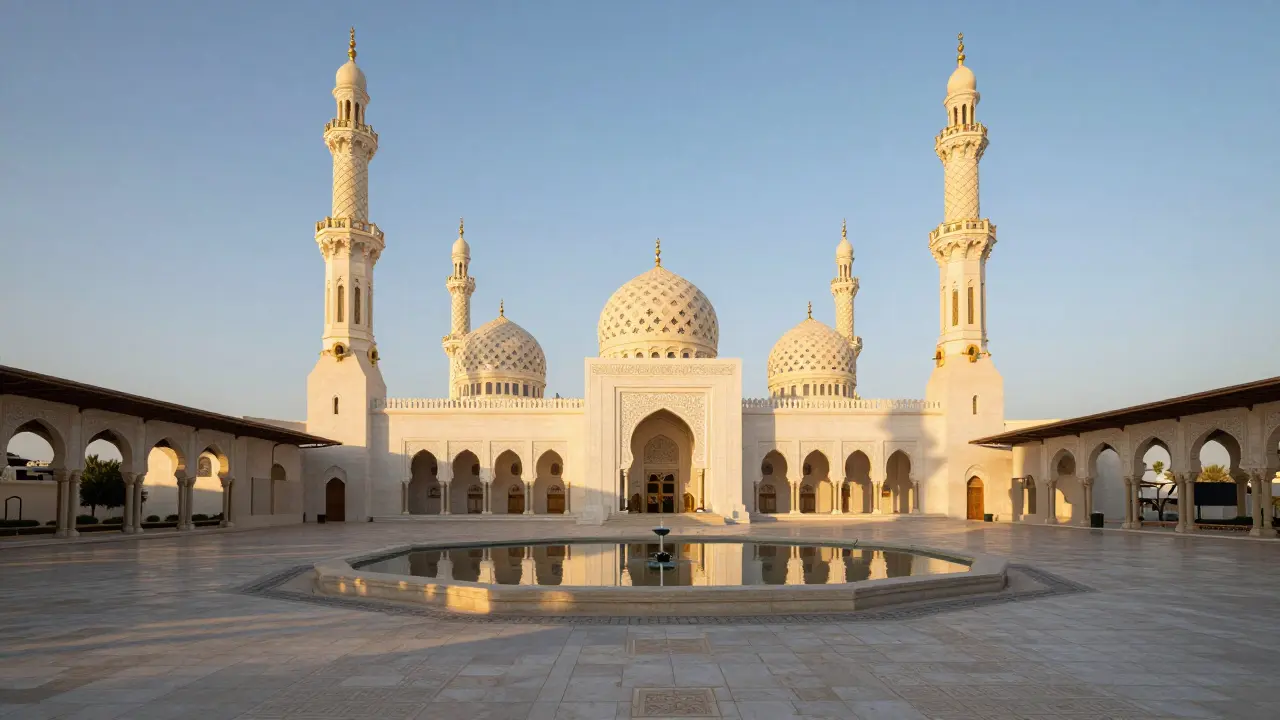
The Inspiring Architecture of Jumeirah Mosque in Dubai
Jumeirah Mosque in Dubai is a masterpiece of traditional Islamic architecture, built with white limestone and hand-carved details. Open to all visitors, it offers a quiet contrast to the city's modern skyline and stands as a symbol of cultural heritage.
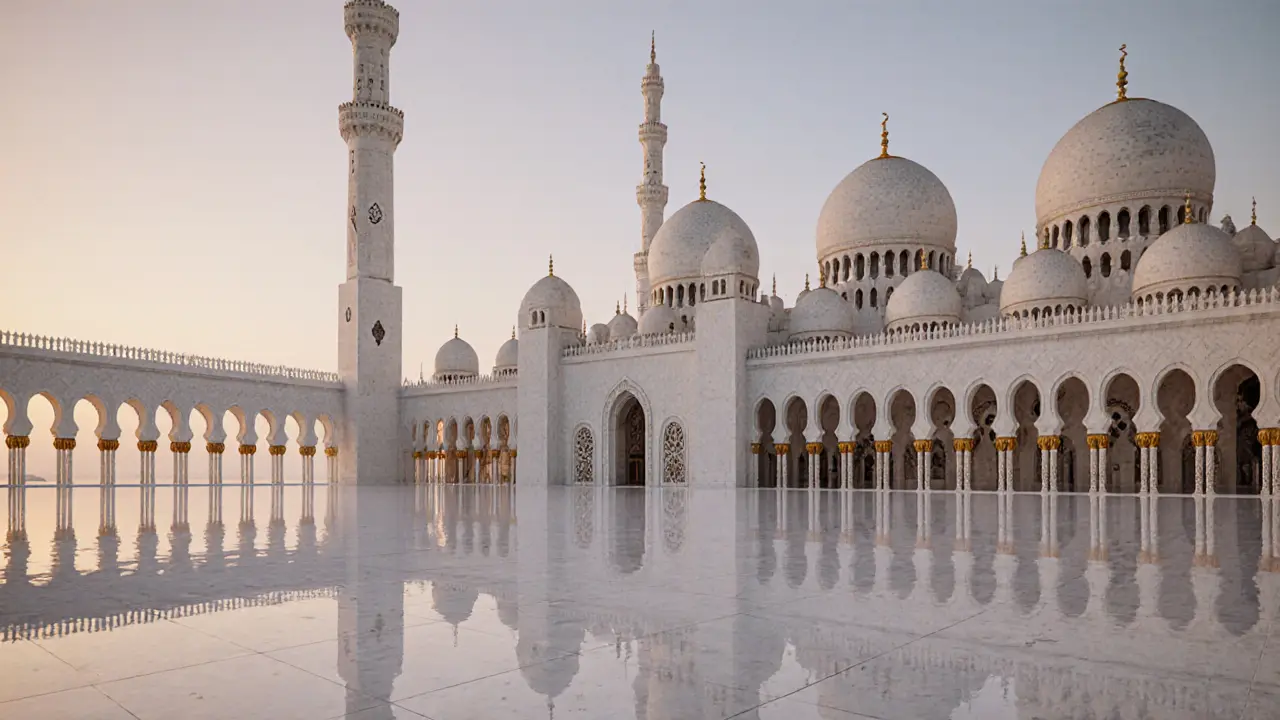
Experience the Beauty of Jumeirah Mosque: A Guide to Dubai’s Most Stunning Islamic Architecture
Discover the serene beauty of Jumeirah Mosque, Dubai’s most iconic Islamic landmark. Learn how to visit, what to expect, and why this architectural gem offers more than just stunning views.
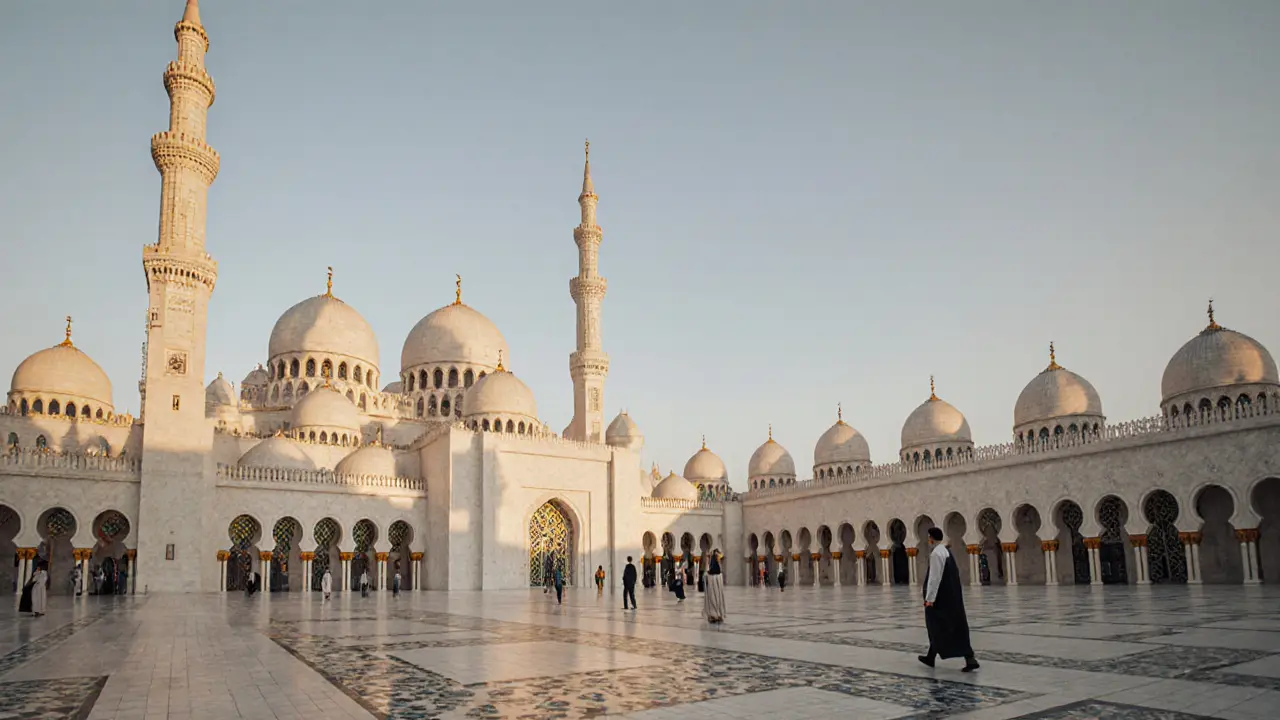
The Spiritual and Cultural Tapestry of Jumeirah Mosque
Jumeirah Mosque is a stunning example of Islamic architecture and a rare open door to Islamic culture in Dubai. Free guided tours welcome visitors of all faiths to learn about prayer, art, and tradition in a peaceful, welcoming setting.