The Truth About the "Seven-Star" Myth
You've probably scrolled through social media and seen the claim. Someone is boasting about eating at the world's only 7-star Michelin restaurant located here in our city. It sounds incredible, right? As if culinary perfection was leveled up beyond human comprehension. But here is the hard fact you need to know before you book your flight or spend a fortune: there is no such thing as a 7-star Michelin restaurant. Not in Dubai, not in Paris, and certainly not anywhere else on Earth.
The Michelin Guide is a prestigious international guide to excellence in gastronomy. For decades, it has been the gold standard for identifying top-quality dining experiences worldwide. Despite its legendary status, their grading system has remained stubbornly consistent. They award zero to three stars. That's it. When you see "7 stars" attached to a restaurant in Dubai, someone is mixing up two very different things: a hotel's service rating and a food critic's assessment.
How the Official Rating System Works
To understand why this confusion happens, we need to look at what the inspectors actually evaluate. Anonymous inspectors visit restaurants incognito, paying for their meals themselves. They don't care about how shiny the silverware is or whether the valet is polite, although those things matter for the overall experience. They focus entirely on the plate.
The scale is deceptively simple, yet incredibly rigorous:
- One Michelin Star: High quality cooking, worth a stop if you're passing through.
- Two Michelin Stars: Excellent cooking, worth a detour specifically for the meal.
- Three Michelin Stars: Exceptional cuisine, worth a special journey.
In 2026, many of us living in the UAE take the presence of these stars for granted. Since the guide expanded to Dubai and Abu Dhabi recently, several local establishments have earned recognition. However, none of them exceed the three-star cap. If a restaurant manager tells you they are aiming for a fourth star, they are either joking or trying to sell you something extra.
The Origin of the 7-Star Rumor
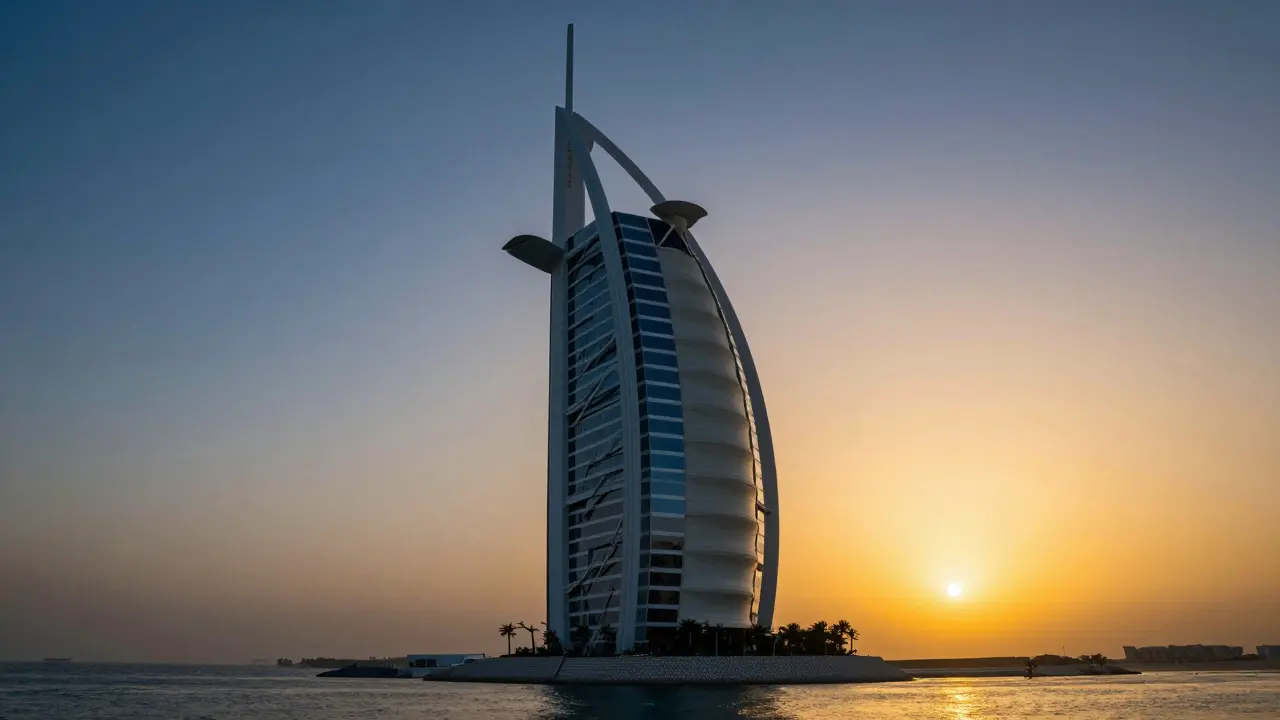
If the rating doesn't exist, where did the story come from? It almost always traces back to one specific address: the Burj Al Arab. This iconic sail-shaped building jutting out of the Persian Gulf is a symbol of Dubai's ambition. In the early 2000s, following a visit by a British travel writer who was blown away by the level of service, she allegedly told her editor, "It's not five stars, it has seven."
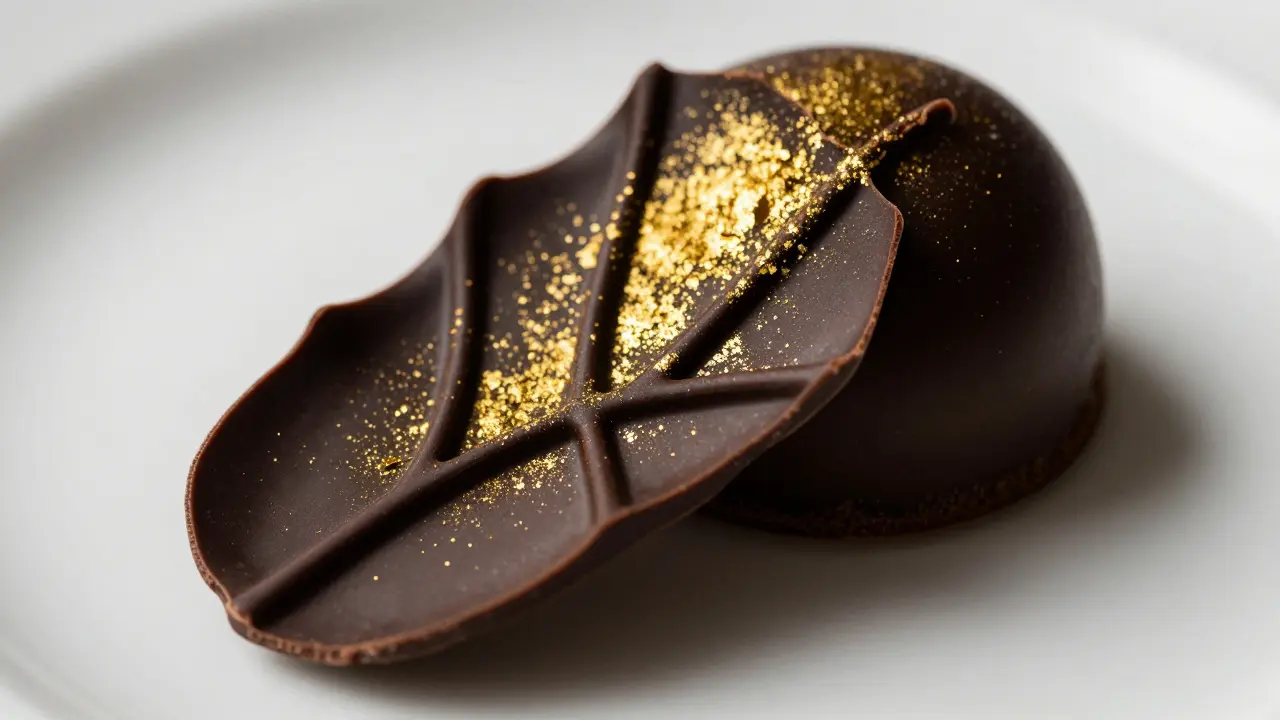
This quote became a marketing legend rather than a certified accreditation. The hotel itself adopted the moniker to distinguish its brand identity as being far above standard luxury hotels. While the property does house incredible dining venues-such as Al Mahara under the water and Al Ithriyah, which famously served a dessert with 22 carats of edible gold-the stars refer to the hospitality service of the hotel, not the culinary grading by the French tire company.
It is crucial to separate these two concepts. A hotel can provide an over-the-top luxury experience (the "7-star" service vibe), but that does not automatically translate to the highest culinary accolade. You can walk into a palace and eat mediocre food, just as you can eat world-class dishes in a humble corner shop.
Dubai's Actual Michelin Standings
Fast forward to today, April 2026. The landscape of fine dining in Dubai is richer than ever. We have moved past the days when people had to drive to Europe just to find good food. Several local kitchens are now competing on the global stage.
While "7-star" remains a fantasy, there are plenty of legitimate reasons to feel spoiled. Let's look at the reality of high-end dining options available to residents and tourists alike.
| Dining Concept Comparison | ||
|---|---|---|
| Restaurant / Venue | Rating Status | Fame Factor |
| Nestor | Michelin Recommended | Classic French elegance |
| Osteria Del Borgo | Bib Gourmand | Great value Italian |
| Al Mahara | No Official Stars | Iconic Hotel Experience |
| Zuma | Popular International | Modern Japanese-Iberian fusion |
Notice the distinction. Some places prioritize atmosphere (like Al Mahara inside the underwater aquarium), while others prioritize flavor and technique (like Nestor or Osteria). If you are hunting for the absolute best taste, checking for a Green Star (sustainability focus) or a Black Star (for exceptional wine lists) is sometimes more interesting than chasing the classic white stars.
Why the Confusion Persists
Marketers love the number seven. It implies completeness and rarity. The "7-star" label sticks because Dubai thrives on superlatives. We have the tallest tower, the longest bridge, and the biggest fountain. It feels natural to assume we would also have the "biggest" restaurant rating. Tour agencies and travel blogs perpetuate this because it draws clicks. It is catchy, even if it isn't technically correct.
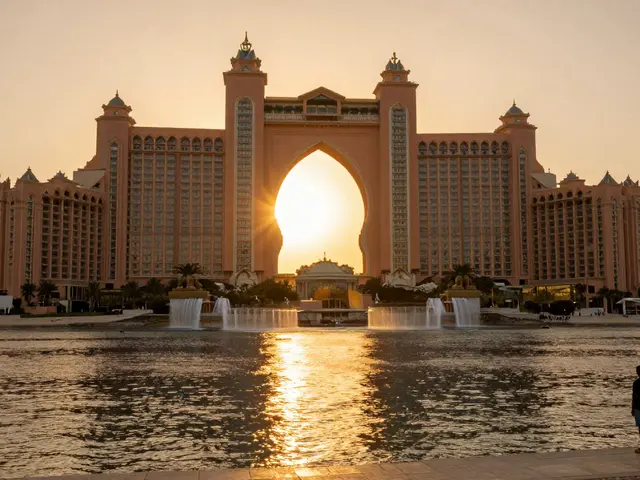
Furthermore, when a visitor experiences the level of pampering at a place like Atlantis The Palm or the Palazzo Versace, the threshold for "good enough" shifts. Service becomes so proactive that guests equate attention to detail with food quality. It creates a blurred line between hospitality and gastronomy.
Alternative Lists Worth Checking
If you want to find the hidden gems that haven't made the Michelin list yet, you need to broaden your search criteria. The Michelin Guide covers the major cities and capitals, but it misses great small-town style spots. Other organizations fill this gap.
For instance, the World's 50 Best Restaurants operates globally and often highlights Middle Eastern venues based on peer voting. Then there is La Liste, which ranks based on guest feedback data rather than anonymous visits. These lists often highlight local favorites that Michelin inspectors might simply haven't visited yet due to their limited roster size. In 2026, relying solely on one red book can cause you to miss amazing neighborhood bistros that define our city's culture.
What To Expect From Top-Rated Places
When you finally secure a reservation at a legitimately rated spot, what should you anticipate? First off, reservations get tight. The best tables book months in advance, especially during the cooler months or during events like Ramadan or Dubai Shopping Festival.
Pricing in our city reflects both the import costs of ingredients and the operational overhead of luxury venues. A dinner at a starred venue usually runs well north of 1,000 AED per person without drinks. However, you are paying for consistency. You aren't just buying ingredients; you are buying the guarantee that every bite meets a specific standard of craft.
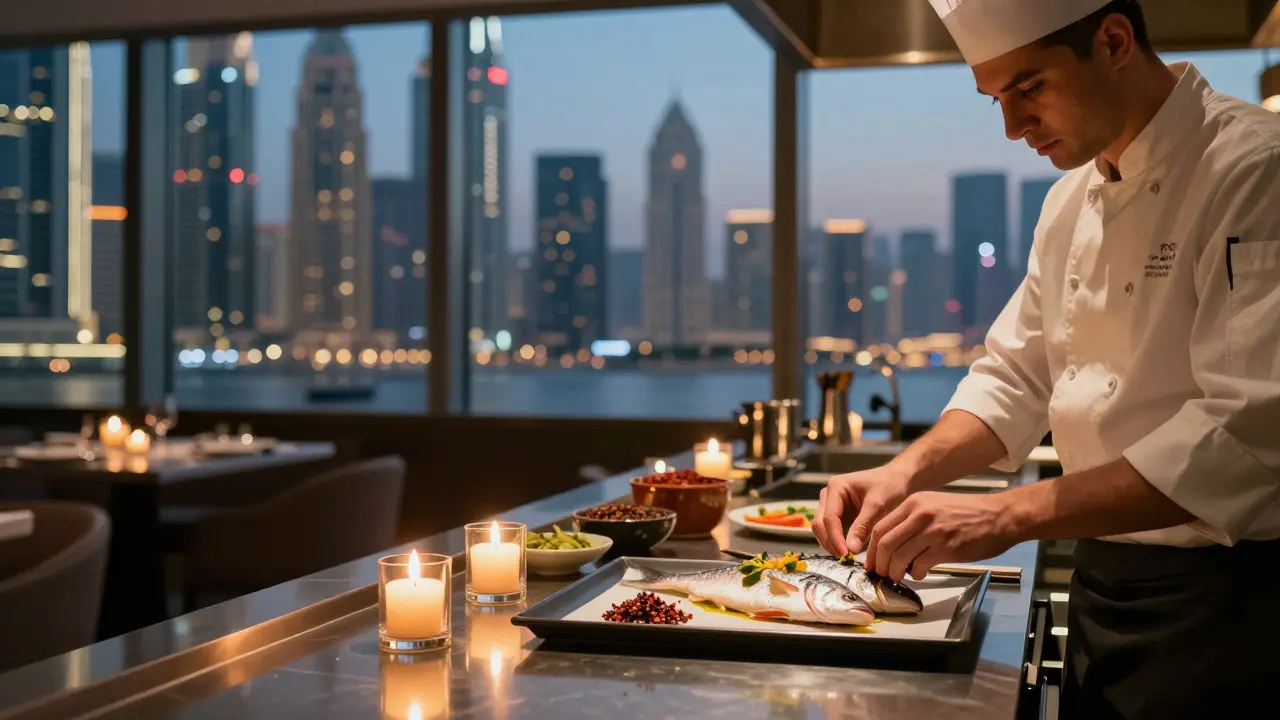
Chefs here are increasingly pushing boundaries. Many of the top-rated chefs in Dubai were previously working in London, Singapore, or Tokyo. They bring international techniques but source locally. You'll see Gulf fish prepared with Japanese precision or Emirati spices used in European reductions. This blend is unique to our region and contributes to why the dining scene feels distinct from anywhere else in the world.
Frequently Asked Questions
Does any restaurant in the world hold a 7-star Michelin rating?
No. The official Michelin Guide caps at three stars. Any claim of a "7-star" restaurant is a marketing term usually referring to hotel luxury levels, not culinary achievement.
Which hotel in Dubai is famous for being called 7-star?
The Burj Al Arab is widely known by this unofficial nickname. It originated from a journalist's comment about its service standards, which the hotel later embraced as a branding strategy.
Do Michelin inspectors pay for their own meals?
Yes, professional inspectors pay for their meals anonymously. They are trained experts who evaluate food based on quality, skill, flavor, value, and consistency.
When did the Michelin Guide launch in the UAE?
The Michelin Guide for Dubai and Abu Dhabi was first published in December 2023, adding new layers of competition and recognition to the regional food scene.
Are 3-star restaurants better than 5-star hotels?
Not necessarily. Michelin stars measure food exclusively, while hotel stars rate facilities and services. A 3-star restaurant might sit inside a 5-star hotel, or a 3-star restaurant could be located in a tiny, unassuming building.