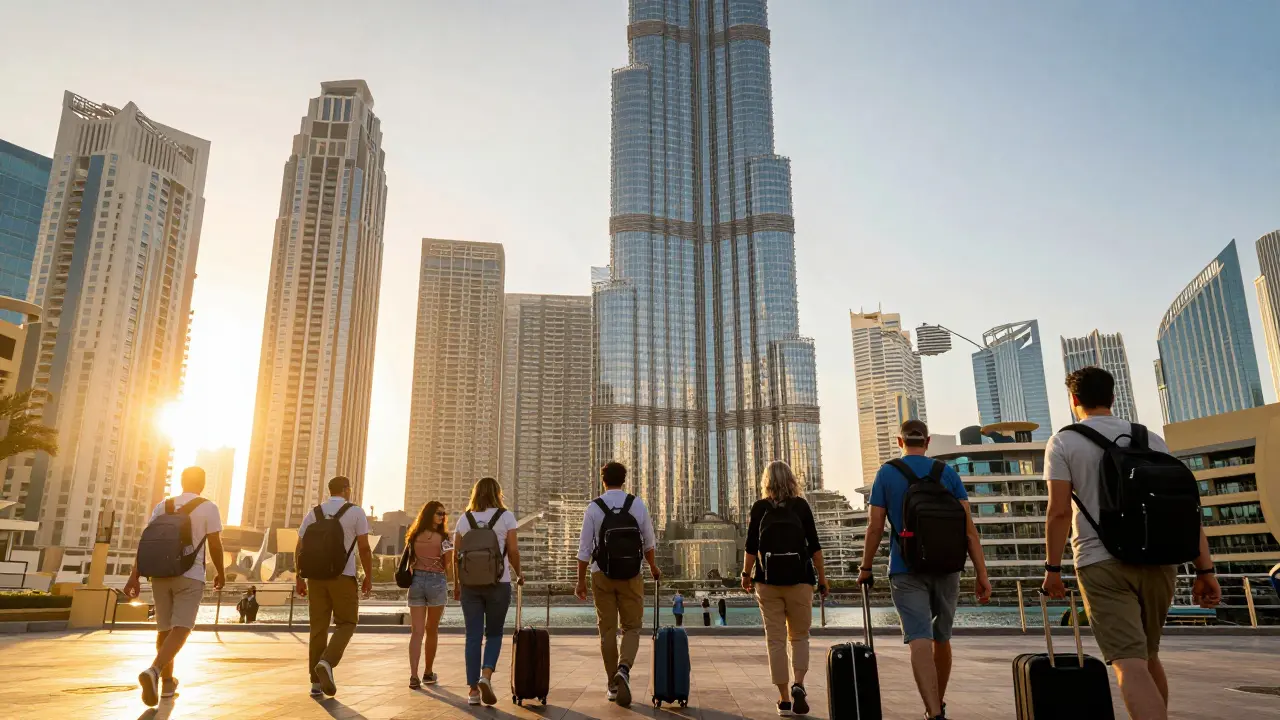
Many people think Dubai is only for millionaires, but that isn't true anymore. You can visit without draining your savings if you plan correctly. The real question isn't just about having cash; it's about knowing where that cash goes when you land. Prices change every year, and by March 2026, we've seen some shifts in tourism fees and daily costs compared to last year.
Living here, I see tourists get surprised by hidden charges they didn't expect back home. Whether you are a backpacker looking for street eats or someone wanting a view of the skyline, the math needs to work before you book the flight. Let's break down exactly what you need for a comfortable week.
Understanding the Currency and Daily Spend
First things first, you need to understand the local money. Everything here is priced in UAE Dirham (AED). The official currency of the United Arab Emirates, pegged to the US Dollar at roughly 3.67 to 1.. If you hold dollars, euros, or pounds, keep an eye on the exchange rate because small changes affect your total budget significantly over a week.
For a basic survival mode, you need about 200 to 300 dirhams per day just for food and transport. This doesn't include hotels. If you want to eat at nicer places and take taxis, double that number. Most visitors prefer a mid-range approach where they save money on lodging but spend more on experiences.
Accommodation Zones and Nightly Rates
Where you stay dictates your biggest expense. Hotels near the city center command higher prices due to demand. In areas like Downtown Dubai or Jumeirah Beach Road, a decent hotel room often starts around 400 dirhams during the shoulder season.
If you move slightly out towards Deira or Bur Dubai, prices drop. These older neighborhoods have great charm and better prices. You can find clean rooms in hostels or budget hotels for under 200 dirhams a night. Always check if breakfast is included because buying coffee and bread separately adds up quickly.
| Location | Price Range (Per Night) | Vibe |
|---|---|---|
| Downtown Dubai | 400 - 1,500 AED | Luxury, Iconic Views |
| Deira/Bur Dubai | 150 - 350 AED | Budget, Local Culture |
| Dubai Marina | 350 - 900 AED | Modern, Waterfront |
| Jumeirah Beach | 500 - 2,000+ AED | Relaxation, Sand Access |
Food and Drink Pricing Reality
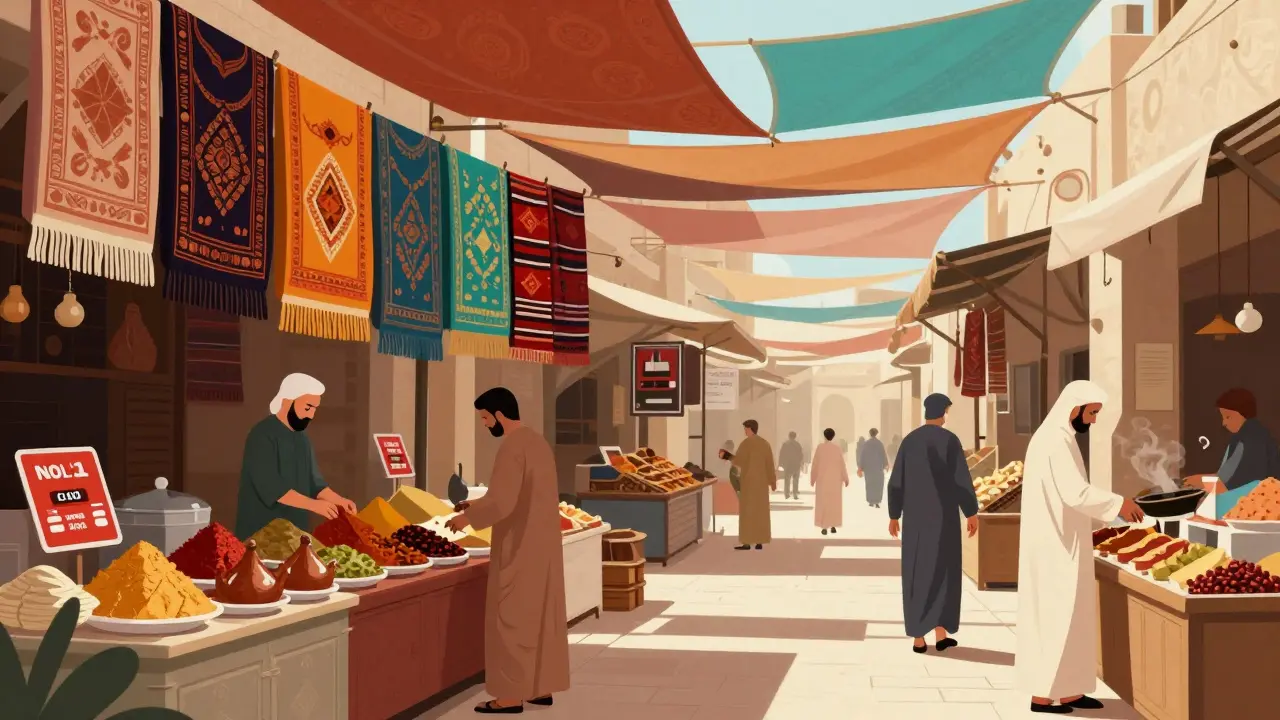
Eating out here has two distinct worlds: fast casual chains and tourist trap restaurants. You don't have to spend 500 dirhams on a single dinner. Street food markets in Karama offer meals for 30 to 50 dirhams. These spots serve authentic shawarma, mandi, or kabsa that taste amazing and fill you up.
Coffee is cheaper than in London or New York. A takeaway latte runs between 20 and 35 dirhams depending on the brand. Alcohol is different; it carries heavy taxes. A beer at a licensed venue usually costs 25 dirhams plus service charges. If you drink socially, add a daily allowance of at least 100 dirhams just for that.
Getting Around Without Losing Money
You can get everywhere using public transport if you buy a red Nol card. Dubai Metro. An automated rapid transit system connecting major districts across Dubai. A single trip rarely exceeds 8 dirhams even across long distances. Taxis are affordable too compared to European standards, starting around 20 dirhams.
Avoid the black cabs or unofficial rideshares late at night. The airport bus connects many terminals to the city for a flat fee of roughly 25 dirhams per person. If you arrive late, a taxi from terminal to the city center might cost 80 to 100 dirhams depending on traffic.
Activity Costs and Entrance Fees
The big landmarks charge premium prices. Visiting the observation deck at Burj Khalifa. The tallest man-made structure in the world located in Downtown Dubai. will set you back about 150 dirhams for the lower levels. There is often a VIP package, but for most views, the standard entry is enough. Book tickets online in advance to avoid lines and extra queue fees.
Fan favorites like the Dubai Mall are free to enter but designed for shopping. Window shopping is fine, but bring water bottles because indoor temperatures can feel dry. Outdoor attractions like Global Village or Dubai Frame are much cheaper. Global Village entrance is around 50 dirhams, while Dubai Frame costs about 40 dirhams.
Desert safaris are popular but vary wildly in price. A morning sandboard tour might be 250 dirhams, but an evening buffet package can reach 800 dirhams. Read the terms carefully. Some cheaper tours include lunch but exclude transfers from your hotel.
Taxes, Tips, and Hidden Expenses
One thing tourists forget is Value Added Tax (VAT). Restaurants bill 5% VAT automatically. Also, a 10% service charge is added to almost every menu tab. That means a meal listed at 100 dirhams actually costs 115 dirhams. Budget for this extra 15% buffer.
Tipping isn't mandatory in the same way as the US, but leaving loose change or rounding up helps service staff. Drivers appreciate 5 to 10 dirhams for help with luggage. Internet SIM cards at the airport are easy to buy but pricey. A 30-day plan with good data coverage usually costs between 200 and 350 dirhams.

Seasonal Timing for Budget Planning
We are currently in spring, which is pleasant weather-wise. Summer months bring scorching heat where outdoor activities become impossible without air conditioning. Winter months (November to February) are peak tourist seasons, meaning hotel prices spike by 50% or more.
March is a transition month. Crowds thin out slightly after Ramadan ends, which usually falls around this time. Prices stabilize compared to the holiday rush. If you can travel early afternoon in March, you get cool breezes and decent hotel deals.
Sample Weekly Budget Scenarios
To give you a clear picture, let's look at three common traveler profiles for a seven-day trip.
- Budget Traveler: Total spend around 3,500 dirhams. Includes hostel stays, metro transport, street food meals, and limited paid entry tickets.
- Comfort Traveler: Total spend around 7,500 dirhams. Includes 3-star hotels, occasional taxis, mix of cafes and restaurants, and full access to major attractions.
- Luxury Traveler: Total spend exceeding 15,000 dirhams. Includes 5-star suites, private transfers, fine dining, and exclusive experiences like yacht rentals.
You should also factor in emergency funds. Unexpected medical visits or lost passport issues happen. Keep 1,000 dirhams separate from your daily spending money.
Payment Methods and Cash Usage
Credit cards work everywhere except some very old traditional souks. Bring cash for those little shops. You don't need to carry large bills. Shops often ask for change if you pay 500 on a 300 item purchase. ATMs are everywhere and accept foreign cards easily.
Using your home bank card directly incurs dynamic currency conversion fees sometimes. Ask your bank about overseas transaction charges before you leave. Paying in local currency (AED) instead of your home currency avoids the markup spread.
Is 5,000 AED enough for a week in Dubai?
It is tight but possible if you stay in budget accommodation like Deira and mostly use public transport. You would need to limit dining out to casual spots and skip expensive attractions like the top of Burj Khalifa.
Do I need a tourist visa for Dubai?
It depends on your nationality. Many Western passports get a free 90-day visa upon arrival. Others must apply online beforehand, costing around 300 dirhams for a single-entry tourist visa.
What is the cheapest way to travel between Dubai cities?
Use the Red Nol Card for the Metro and buses. It offers discounted fares compared to paying cash on board and covers both systems seamlessly.
Are there any days with free attraction entry?
Sometimes museums offer free entry on weekends for residents, but tourists usually pay. Check event calendars for special cultural festivals where parks open for free entry occasionally.
Should I tip waiters in Dubai?
Tipping is optional but appreciated. Rounding up the bill or leaving 5 to 10 percent is standard practice for good service in restaurants and taxis.