When people ask Dubai, they’re often thinking about luxury: golden skyscrapers, private yachts, five-star hotels, and Michelin-starred meals. But here’s the truth - Dubai isn’t just for the ultra-rich. It’s a city where you can eat a $3 street-side shawarma, sleep in a $40 hostel, or drop $500 on a single dinner. The cost depends entirely on how you choose to live it.
Food: From $2 Kebabs to $500 Tasting Menus
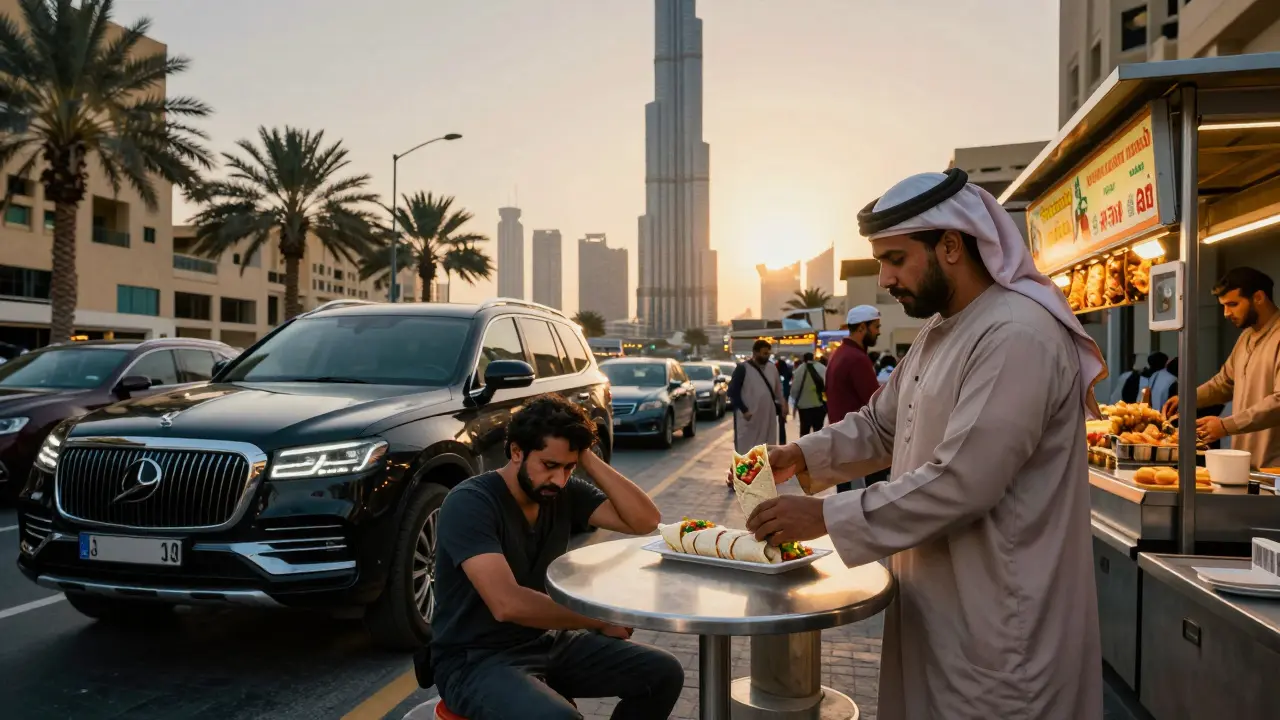
Dubai’s food scene is wildly uneven. You can grab a full meal at a local eatery for under $5. Head to Al Saif Restaurant in Deira, and you’ll get a plate of grilled chicken, rice, and hummus that fills you up without touching your wallet. Even in tourist zones like Bur Dubai, a decent falafel wrap costs $3-$4. These aren’t hidden gems - they’re daily life for locals.
But step into a high-end spot like Zuma, Nobu, or Al Mahara, and prices jump fast. A main course at Zuma starts at $45. A seafood platter for two at Al Mahara (inside the Atlantis) runs $250. And if you want the full experience - truffle pasta, caviar, wine pairings - you’re looking at $300-$500 per person. One diner at Dubai’s 101 Dining Room paid $1,200 for a single tasting menu with champagne. That’s not common, but it’s possible.
The real surprise? Coffee. A latte at a chain like Starbucks costs $5.50. At a rooftop café overlooking the Burj Khalifa? $12. And don’t get started on juice bars - a cold-pressed green juice can cost $15. You’re not paying for the ingredients. You’re paying for the view.
Hotels: $40 Hostels to $2,000 Suites
Dubai’s hotel market is one of the most competitive in the world. That means prices swing hard depending on where you stay. In the old parts of town - like Karama or Bur Dubai - you can find clean, basic hotels for $35-$50 a night. These aren’t tourist traps. They’re where Emirati families stay when visiting the city.
On the other end, the Burj Al Arab is still the king of extravagance. A standard room starts at $1,200. A suite? $2,000+. And yes, people pay it. The hotel offers private butlers, helicopter transfers, and a fleet of Rolls-Royces. But here’s the catch: most of these guests are on expense accounts. They’re not tourists saving up for a vacation.
For most travelers, the sweet spot is the Dubai Marina or Jumeirah Beach. A four-star hotel with a pool and ocean view runs $120-$180. You’ll get breakfast, free Wi-Fi, and a shuttle to the metro. That’s a solid value if you’re planning to explore the city. And if you book a week ahead during shoulder season (March or October), you can cut that price by 30%.

Transport: Free Metro, Expensive Taxis
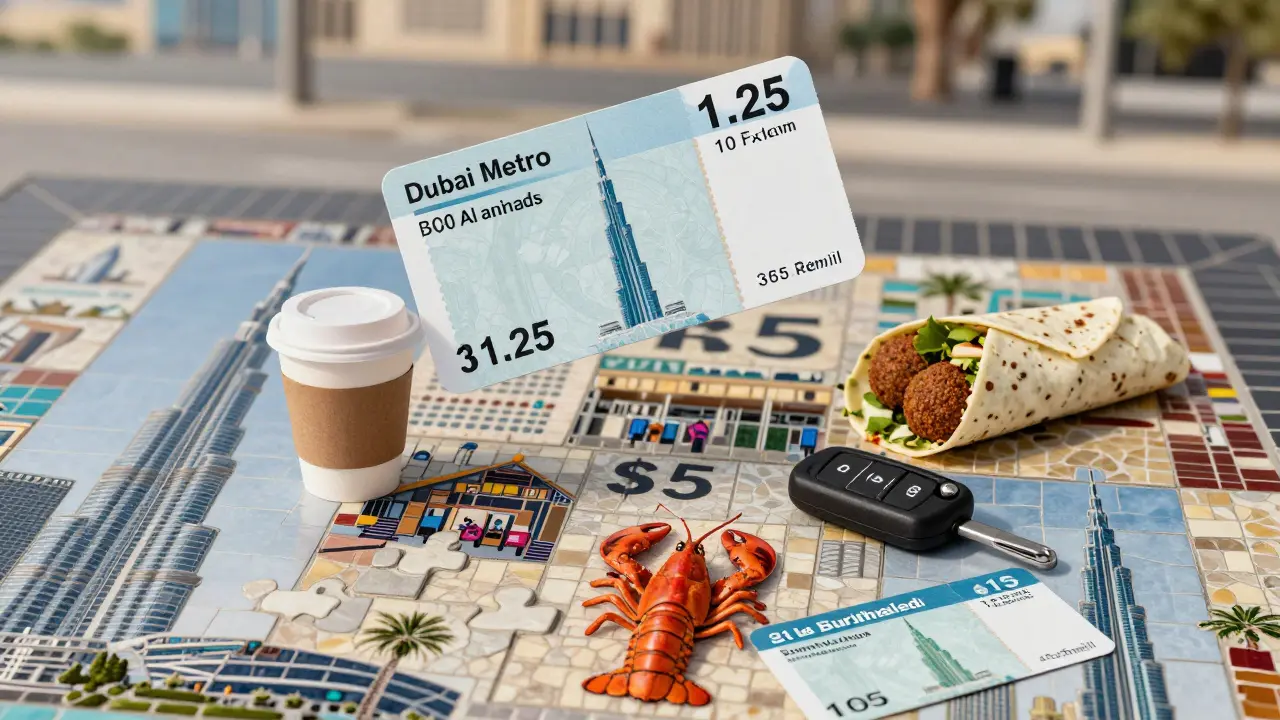
Dubai’s metro system is clean, air-conditioned, and cheap. A single ride costs $1.25. You can go from the airport to Downtown Dubai in 25 minutes for less than $5. The system connects major malls, hotels, and landmarks. Locals use it every day.
Taxis? They’re reliable but not cheap. A 10-minute ride from the mall to the beach might cost $12. Uber and Careem are the same price. If you’re staying in a hotel far from the metro - like in Palm Jumeirah - you’ll be paying $15-$25 just to get to the city center. That adds up fast if you’re doing it daily.
Car rental? About $35 a day, plus fuel. Gas in Dubai is cheaper than in the U.S. - around $1.30 per liter. But parking? $5-$10 per hour in tourist zones. And if you park wrong? You’ll get fined $100. No warning. No mercy.
Shopping: Duty-Free vs. Designer Overload
Dubai is famous for shopping. And yes, you can find real deals. The Dubai Mall has a massive duty-free zone. Perfumes, cosmetics, electronics - prices are 20%-40% lower than in Europe or the U.S. A $600 iPhone 15 Pro costs $540 here. A $200 bottle of Chanel No. 5? $140.
But walk into a luxury store on Sheikh Zayed Road, and you’ll see the same prices as Paris or New York. A Gucci bag? $3,000. A Rolex? $15,000. No discount. No negotiation. The city doesn’t need to mark things down - people come here expecting to pay full price.
For real value, hit the Gold Souk in Deira. You can buy a 10-gram gold chain for $600. That’s market price, not tourist markup. Or go to the Al Mina Fish Market and buy fresh lobster for $10 a pound. Locals do. Tourists? They pay $40 for the same thing at a hotel restaurant.
Day-to-Day Living: What It Actually Costs
Let’s say you’re not staying in a palace. You’re just trying to get by for a week. Here’s a realistic daily budget:
- Food: $20 (street food + one sit-down meal)
- Transport: $5 (metro + occasional taxi)
- Accommodation: $80 (basic hotel room)
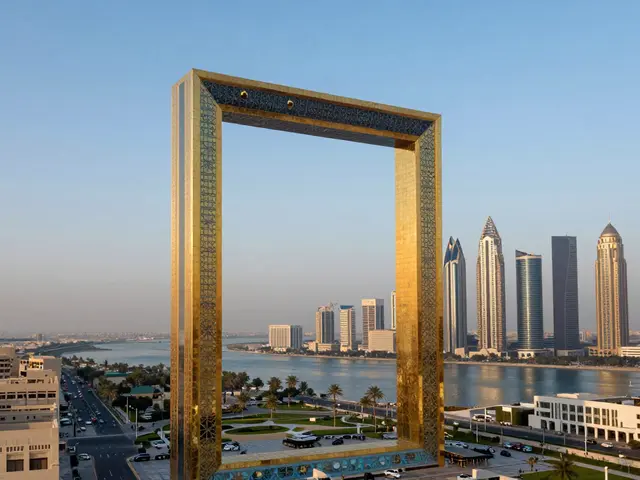
- Attractions: $15 (Burj Khalifa ticket or Dubai Frame)
- Extras: $10 (water, snacks, tips)
Total? $130 a day. For seven days? $910. That’s it. No luxury. No splurges. Just a real experience.
Now, if you want to go all out - a yacht dinner, a desert safari with camel rides, a spa day at a five-star resort, and a bottle of Dom Pérignon at a rooftop bar - you’ll spend $500-$800 in a single day. That’s not the norm. But it’s possible. And people do it.
Is Dubai Worth the Cost?
The question isn’t whether Dubai is expensive. It’s whether you’re paying for what matters to you.
If you want to eat like a local, ride the metro, sleep in a clean room, and explore the city’s history and culture - it’s one of the most affordable cities in the region. You can live well on $100 a day.
If you want to sip champagne on a rooftop with a view of the Burj Khalifa, sleep in a suite with a private pool, and eat at restaurants where the chef is famous worldwide - then yes, it’s one of the most expensive cities on earth. And you’ll get exactly what you paid for.
Dubai doesn’t hide its prices. It doesn’t pretend to be cheap. It shows you what’s possible - and lets you choose.
Is Dubai more expensive than New York?
It depends. For food and public transport, Dubai is cheaper. A subway ride in New York costs $2.90 - more than Dubai’s $1.25. A coffee is similar in price. But rent and hotel rooms in Dubai can be cheaper than Manhattan. A studio in Midtown Manhattan averages $4,000/month. A comparable apartment in Dubai Marina is $2,200. Luxury dining? About the same. A $200 meal in NYC is $200 in Dubai. So overall, Dubai is less expensive for housing and transit, but just as pricey for high-end experiences.
Can you visit Dubai on a budget?
Absolutely. Many travelers do. Skip the luxury hotels - stay in Karama or Bur Dubai. Eat at local shawarma spots and food courts. Use the metro instead of taxis. Visit free attractions like the Dubai Creek, Jumeirah Mosque (exterior), and the Miracle Garden (free on weekdays). The Dubai Card offers discounts on attractions and transport. With smart choices, you can enjoy Dubai for under $100 a day.
Are meals in Dubai really that expensive?
Only if you choose them to be. You can get a full meal for $3-$5 at places like Al Mallah or Al Saif. But restaurants near the Burj Khalifa or on the Palm Jumeirah charge premium prices - $50-$150 per person - because of location, service, and branding. The food itself isn’t always better. You’re paying for the view, the name, and the atmosphere. Locals know where to go. Tourists often don’t.
Is tipping required in Dubai?
No, but it’s common. Most restaurants add a 10% service charge to the bill. If you’re happy with the service, leaving an extra $2-$5 is appreciated. In hotels, $1-$2 per bag for porters is standard. For taxi drivers, rounding up the fare is polite. You won’t be judged for not tipping - but you’ll be noticed if you do.
What’s the best way to save money in Dubai?
Plan ahead. Book hotels during off-season (March, October). Use the metro instead of taxis. Eat at food courts or local markets. Avoid buying bottled water - it’s $2. Get tap water from your hotel - it’s safe. Skip the desert safari unless you book a group tour - private tours cost $150+. Use the Dubai Pass for discounted entry to multiple attractions. And never assume everything is expensive - the city has deep pockets, but also deep value.