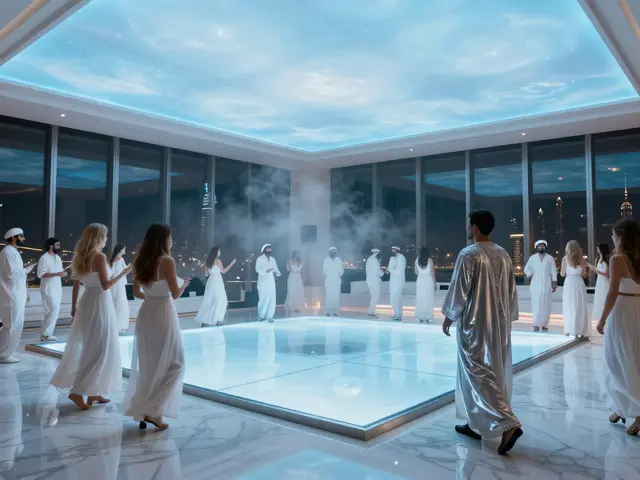
In Dubai, the coastline isn’t just a place to soak up the sun-it’s a canvas for bold, boundary-pushing architecture. While beach clubs around the world offer cocktails and loungers, Dubai’s top spots blend oceanfront relaxation with structures that look like they’ve been dropped from a sci-fi film. These aren’t just places to swim; they’re immersive experiences where design becomes part of the vibe.
White Beach Dubai: Where Minimalism Meets the Sea
White Beach Dubai, tucked along Jumeirah Beach Road, doesn’t scream for attention-it commands it through restraint. The entire structure is a study in clean lines and monochrome tones: white concrete decks, floor-to-ceiling glass walls, and floating pavilions that seem to hover above the sand. The architects used locally sourced limestone to blend with the desert palette, while the cantilevered cabanas extend over the water like sculpted wings. At sunset, the entire space turns golden, reflecting off the still surface of the Persian Gulf. No loud logos, no neon signs-just quiet luxury that feels more like a private art installation than a beach club.
Cielo Beach Dubai: The Floating Pavilion
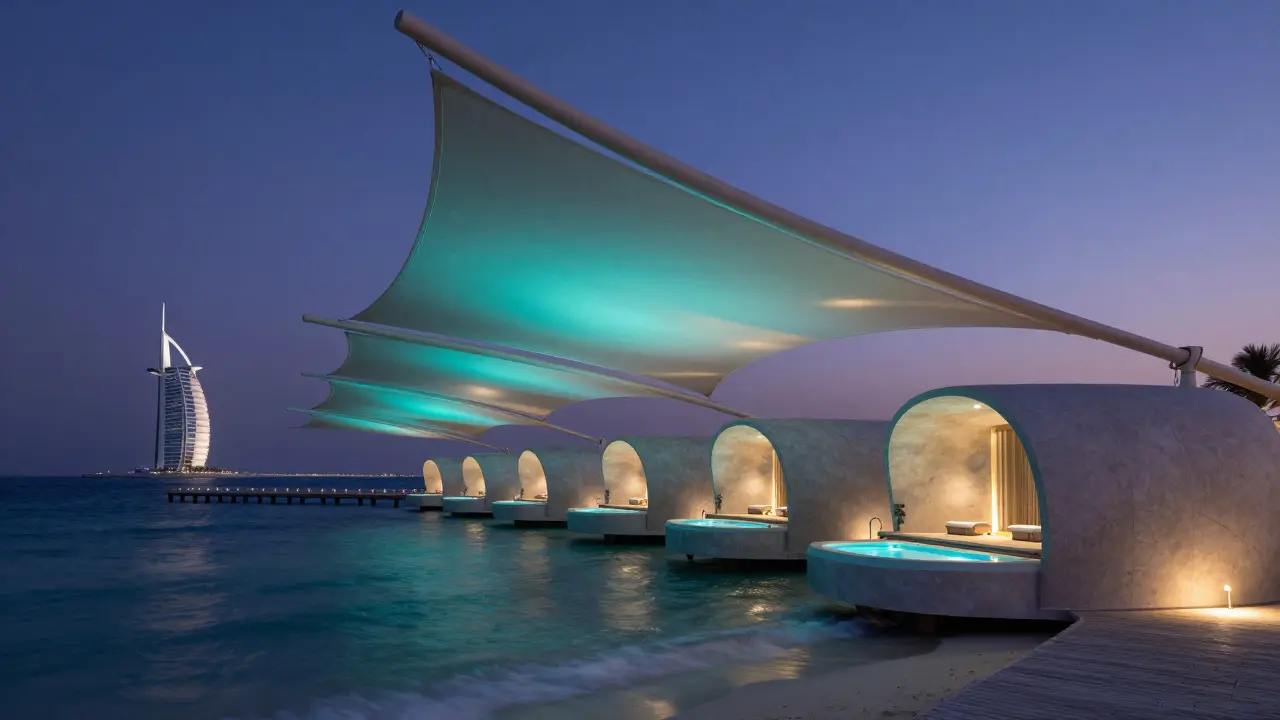
If White Beach is minimalism, Cielo Beach is drama. Perched on a man-made jetty extending 80 meters into the sea, Cielo’s main lounge appears to float above the water. Its roof is a sweeping, curved canopy made of tensioned fabric stretched over steel ribs, designed to mimic the shape of a dhow sail caught in the wind. Inside, the ceiling is lined with LED strips that shift color from turquoise at noon to deep indigo by night. The seating areas are built into curved concrete pods, each with its own private plunge pool. What makes Cielo unique isn’t just its form-it’s how it interacts with the tide. During high tide, the water laps right up to the edge of the deck, turning every lounge into a sea-facing throne. It’s the only beach club in Dubai where you can literally feel the ocean rising beneath you.
La Plage at One&Only The Palm: Desert Meets Mediterranean
La Plage doesn’t just sit on the beach-it reimagines it. Inspired by the whitewashed villas of Mykonos but built with Emirati craftsmanship, the structure uses traditional mashrabiya screens made from hand-carved gypsum, filtered to cast delicate shadows across the loungers. The roof is a series of domed pavilions, each capped with copper that has been treated to develop a patina matching the desert’s rust tones. Inside, the bar is carved from a single slab of marble mined near Fujairah. The tables are made from reclaimed teak from old Emirati fishing boats. Even the umbrellas are designed to fold like palm fronds. La Plage doesn’t just look like a beach club-it feels like a cultural bridge between Mediterranean elegance and Gulf heritage.
Z1 Beach Club: The Concrete Jungle by the Sea
For those who think beach clubs should be bold, Z1 Beach Club delivers. Located on the edge of Dubai Marina, this place looks like a Brutalist sculpture that fell into the ocean and decided to stay. Raw, exposed concrete forms jagged terraces that cascade down to the shore, with staircases that double as seating. The infinity pool is built into the side of the structure, spilling directly into the sea. Overhead, steel frames hold giant geometric canopies that cast moving shadows as the sun shifts. At night, spotlights turn the entire complex into a glowing monolith. It’s not for everyone-there’s no soft sand here, just smooth concrete loungers and a vibe that leans toward industrial chic. But for Dubai’s design-savvy crowd, Z1 is a statement: luxury doesn’t have to be soft to be stunning.
Beach House Dubai: Glass, Greenery, and the Gulf
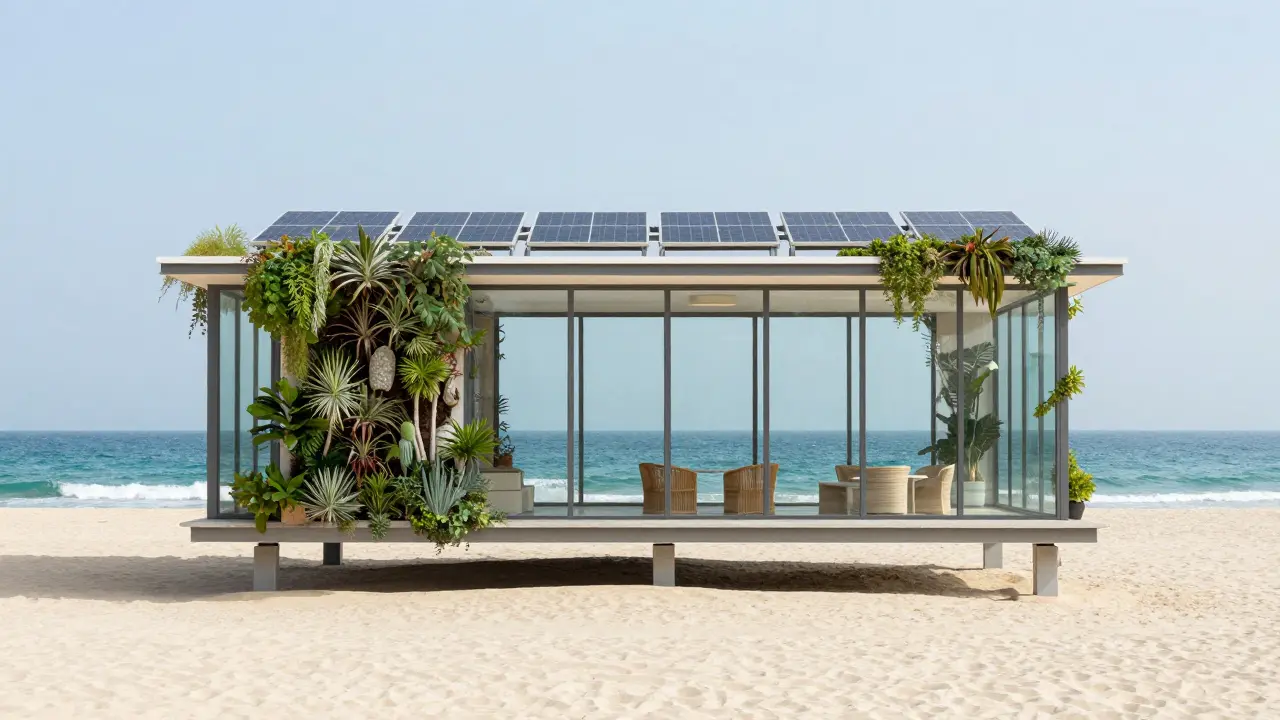
Beach House Dubai, on the quieter stretch of Jumeirah 3, takes a different approach: it lets nature lead. The entire structure is built on stilts, lifted 3 meters above the sand to protect the dune ecosystem beneath. The walls are made entirely of triple-glazed glass, offering 360-degree views of the ocean without a single frame obstructing the horizon. Inside, the ceiling is lined with vertical gardens that grow native salt-tolerant plants like sea lavender and mangrove ferns. The lighting is powered entirely by solar panels embedded in the roof, and the furniture is made from recycled plastic collected from Dubai’s beaches. It’s the only beach club in the city with a zero-waste policy and a marine conservation partnership with the Dubai Environment Agency. Here, architecture isn’t just beautiful-it’s responsible.
Why Dubai’s Beach Clubs Stand Apart
Dubai’s beach clubs aren’t just about sunbathing. They’re extensions of the city’s identity: ambitious, experimental, and unafraid to defy expectations. Unlike Miami or Ibiza, where beach clubs often copy past trends, Dubai’s venues are built from scratch to reflect a local ethos-blending global design with regional materials, climate needs, and cultural references. The heat demands shade, so roofs are wide and elevated. The sea is calm, so structures can extend far into the water. The desert provides sandstone and gypsum, which are used not just for looks, but for thermal regulation. Even the music is curated to match the rhythm of the waves, not the beat of a club.
There’s also a quiet understanding here: luxury in Dubai isn’t about flashing logos. It’s about precision, exclusivity, and thoughtful detail. A single cabana at White Beach costs AED 1,200 per day, but you’re not paying for a name-you’re paying for the silence, the craftsmanship, the way the light hits the water at 5 p.m.
What to Expect When You Visit
- Dress code: Swimwear is fine, but cover-ups are expected when walking to the bar or restaurant. No bare torsos for men-this isn’t Ibiza.
- Reservations: Most top clubs require booking 24-48 hours in advance, especially on weekends. Walk-ins are rare.
- Timing: Arrive before 11 a.m. to snag the best loungers. The sun hits hard after noon.
- Payment: Most places accept credit cards, but cash (AED) is preferred for tips and small purchases.
- Family-friendly? Only Beach House Dubai and La Plage welcome children before 4 p.m. The rest are adults-only after midday.
Where to Go Next
If you’ve checked off these five, try Al Fattan Currency House Beach Club in Al Sufouh-its architecture mimics traditional Emirati wind towers-and Seashell Beach Club on the private island of Al Marjan, where the entire structure is shaped like a giant seashell, lit from within at night. Both are new for 2025 and already drawing crowds.
For those who want to see how these designs came to life, the Dubai Design District (d3) hosts an annual exhibit called Coastal Forms, showcasing blueprints and scale models of the city’s most iconic beach structures. It’s free to visit and open every Thursday evening.
Are Dubai beach clubs open year-round?
Yes, most top beach clubs operate year-round, but their hours and vibe change with the seasons. From October to April, they’re bustling with daytime lounging and sunset events. In summer (May-September), many shift to evening-only operations, with air-conditioned lounges and indoor pools becoming the main attraction. Some, like Beach House Dubai, stay open all day with shaded areas and misting systems.
Can I visit Dubai beach clubs without staying at a hotel?
Absolutely. Unlike in some cities, Dubai beach clubs welcome walk-in guests and day-pass visitors. You don’t need a hotel key. Most charge a daily access fee (AED 200-600) that includes loungers, towels, and sometimes one drink. Some, like Cielo Beach, require a minimum spend instead of a cover charge. Always check their website or call ahead-policies vary.
Which beach club has the best view of the Dubai skyline?
Z1 Beach Club offers the clearest, unobstructed view of the Dubai Marina skyline, especially from its upper terraces. Cielo Beach also gives you a stunning angle of the Burj Al Arab and the Palm Jumeirah when you’re floating on the water. For panoramic views that include both, La Plage’s elevated deck at One&Only The Palm is unbeatable-especially at golden hour.
Do any beach clubs in Dubai offer private cabanas with pools?
Yes. White Beach Dubai and Cielo Beach both offer private cabanas with integrated plunge pools. At White Beach, these are called "Silent Pods"-each comes with a personal attendant, chilled towels, and a curated playlist. Cielo’s "Floating Cabanas" are anchored just offshore and can be reached by a short swim or by boat. Both options start at AED 3,500 per day and include food and beverage credits.
Are there eco-friendly beach clubs in Dubai?
Beach House Dubai is the only one with a full sustainability certification. It uses solar power, recycles all waste, and partners with the Dubai Environment Agency to clean nearby shores. Their furniture is made from recycled ocean plastic, and they’ve removed single-use plastics entirely. La Plage also uses locally sourced materials and avoids imported goods where possible. If sustainability matters to you, these are your top picks.
Final Thought
Dubai’s beach clubs aren’t just places to relax-they’re architectural landmarks you can swim in. Each one tells a story: of innovation, of culture, of how a city built on sand dared to build something that defies gravity, heat, and convention. You don’t just visit them. You experience them. And once you do, you’ll understand why Dubai doesn’t just copy the world’s best-it reinvents it.