Living here means understanding that excitement comes with rules. When people ask about intimate life in Dubai, the real question is usually about safety and boundaries. Many visitors assume this city follows Western norms regarding relationships, but the legal framework operates differently. We are talking about a place where tradition meets modern luxury, and where your private actions matter immensely.
Dubai is a cosmopolitan emirate within the United Arab Emirates known for its strict yet evolving social laws. The environment feels open, especially in malls and hotels, but you need to know where the line is drawn. Consent, privacy, and location define everything here. Ignoring these factors leads to serious trouble.
The Changing Legal Landscape
You might have heard rumors that laws changed recently. They did, but clarity matters more than gossip. In 2020 and continuing through recent updates, the United Arab Emirates adjusted several codes related to morality. The Federal Penal Code underwent significant amendments that impacted how cohabitation and consensual adult relationships are treated.
Previously, sharing a room as unmarried couples was punishable. Now, the focus has shifted toward non-criminalization for consenting adults in private spaces. However, this does not mean "anything goes." Solicitation remains illegal. Buying or selling sexual services is strictly enforced and carries severe penalties including prison time. Many expats confuse relaxation on cohabitation laws with permission to engage in the escort industry. That distinction is vital for your freedom.
If you are planning a private encounter, remember that privacy is your biggest shield. The law protects what happens behind closed doors in licensed accommodations, provided there is no evidence of coercion or commercial transaction involving money exchanged for acts. Once money enters the equation, it shifts from a private relationship to a criminal offense.
Honoring Hotel and Accommodation Rules
Your choice of lodging dictates your risk level. Five-star resorts and branded suites operate with different expectations compared to unlicensed guesthouses. Major hotels like Burj Al Arab or Atlantis The Palm enforce rigorous entry protocols. Staff may ask for ID upon check-in for security.
- Avoid bringing guests to residential units unless you own the property or have landlord consent.
- Public access cards in apartment buildings often track entry; unauthorized visitors raise red flags for building management.
- Five-star hotel rooms are generally considered private zones where authorities rarely intervene without cause.
We see issues when people try to bypass front desk protocols. Renting a car and arriving separately helps maintain discretion, but once inside, act normal. Loud noises, complaints from neighbors, or aggressive behavior can trigger security checks. In many towers, the police station is located downstairs. Discretion prevents unnecessary attention from security teams who prioritize noise and conduct over private conduct.
Navigating Public Displays of Affection
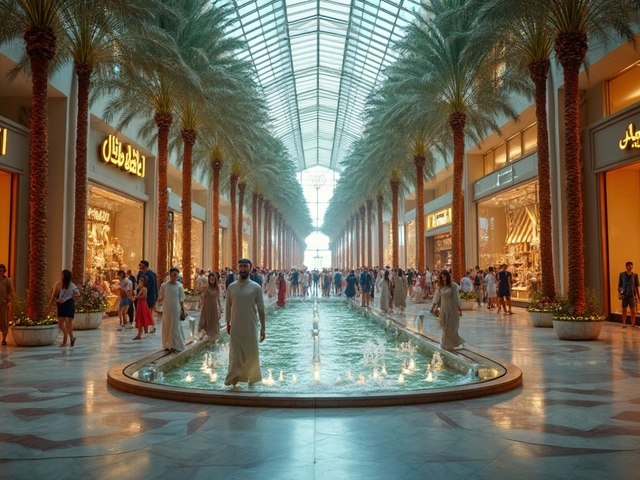
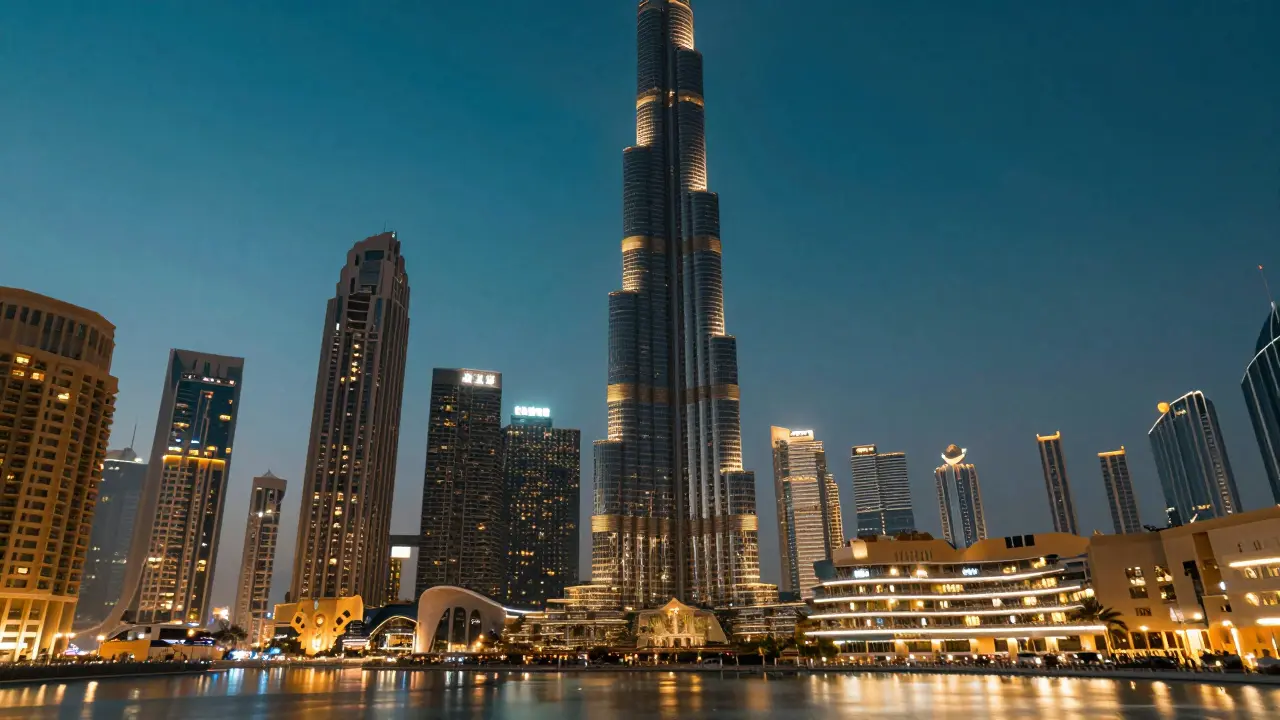
Stepping out onto Sheikh Zayed Road or walking through Downtown Dubai requires caution. While the skyline looks futuristic, social codes remain traditional. Holding hands is generally tolerated, but anything beyond that draws negative attention. Kissing in public parks or on the metro invites intervention from civil defense or morals officers.
We witness arrests simply for arguments turning public. The concept of "public decency" is broad. Alcohol consumption in public areas other than designated zones is illegal. Mixing drinking with intimate behavior escalates the risk quickly. Police patrols monitor beaches like Jumeirah Beach or The Point frequently. While couples sunbathe together, overt behavior can lead to warnings or fines.

Safety in Digital Dating
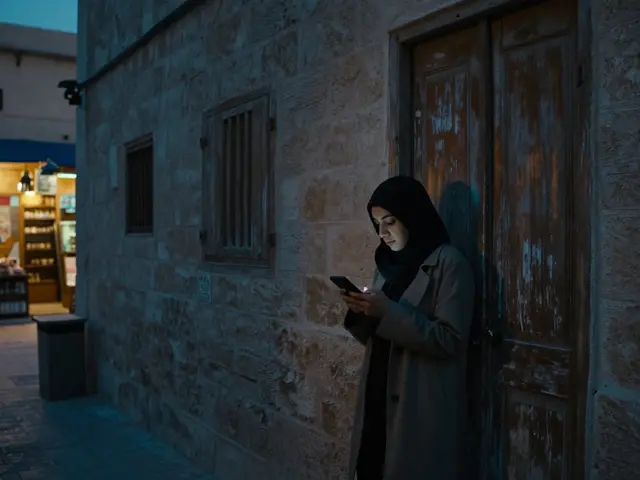
Most connections happen online now. Apps like Tinder, Bumble, and Muzmatch dominate the scene. Using them is common, but verifying safety is essential. Scammers target foreigners promising private parties or meetings that turn into theft or extortion situations.
Online Dating is the primary method for expats to meet partners, requiring verification and caution. Always meet first in a public venue. Check their profile against social media. If someone asks for money upfront or insists on meeting at a private location before establishing trust, decline. Criminal gangs sometimes use dating profiles to target vulnerable travelers looking for intimacy.
Communication apps like WhatsApp are widely used here. Be aware that screenshots or recordings can be used against you in legal disputes. Save nothing incriminating on your phone. Delete sensitive chats immediately after use. Your digital footprint in this region can be scrutinized during investigations unrelated to your travels.
Health and Wellbeing
Safe practices are personal but also medical necessities. Healthcare in Dubai is advanced, but privacy varies by facility. Most private clinics offer confidential STI testing and consultations. Public health centers require registration papers for residents. Visitors can pay cash for discretion in specialized clinics located in major medical districts like DIFC or Medical City.
Protection usage is mandatory for safety. Pharmacies sell condoms discreetly without judgment. Stock up before you need them. Emergency contraception is available but requires a prescription from a doctor. Planning ahead ensures you maintain your health standards regardless of spontaneity. The heat here also demands care; dehydration affects judgment. Stay hydrated to think clearly about decisions.
Dealing with Authorities
Should you encounter law enforcement, your demeanor defines the outcome. Panic creates problems. If questioned, remain polite and calm. Admitting to offenses you aren't sure of can lock you into a situation. Legal counsel is expensive but necessary if detained.
Certain behaviors trigger automatic red flags. Aggressive arguing, physical altercation, or intoxication in public are grounds for arrest. Keep your visa status in order. Overstaying visas complicate legal defense. Tourist visas grant limited protection. Residents have more recourse through labor laws and sponsorship. Knowing your status prevents confusion during unexpected stops.
Never attempt to bribe officials. Corruption is monitored heavily. Cameras record interactions at checkpoints. Honesty about your presence, combined with respect for local laws, usually resolves minor misunderstandings quickly. Serious charges require professional legal help.
The Reality of Expat Communities
We live in bubbles. The expat population creates a perception that rules don't apply to everyone. This illusion fades fast when things go wrong. Clubs and lounges in areas like JBR or Business Bay host international crowds. Dress codes apply everywhere. Swimwear belongs on the beach club deck, not the dining room table.
Alcohol licenses vary. Some bars serve freely, others require membership. Drinking at home is a gray area depending on your residence permit. Buying alcohol from liquor stores requires a license. Without one, possession becomes a crime. Many visitors buy illegally from friends. Possession of drugs, even trace amounts, is a death sentence in some interpretations of federal law.
| Activity | Risk Level | Note |
|---|---|---|
| Consensual Sex (Unmarried) | Low (Private) | Must be hidden, no exchange of money |
| Public Displays of Affection | High | Kissing holds higher risk |
| Solicitation | Very High | Ilegal under Federal Penal Code |
| Drinking Unlicensed | Moderate | Fines apply for possession |
Understanding the Culture
This city is built on hospitality, but also reputation. Locals value family honor above individual indulgence. Even if you are foreign, respecting local values smooths interactions. Avoid criticizing local customs loudly. Social media posts showing inappropriate content can attract legal action from individuals offended by the posts, leading to cybercrime charges.
The mix of cultures here-Indian, Filipino, European, American-creates a unique ecosystem. People adapt, but the government maintains oversight. Security services utilize technology extensively. Face recognition cameras are standard in malls. While mostly for terrorism prevention, data trails exist. Be conscious that your image leaves a digital record wherever you go.
Planning for Privacy
Preparation is key. Research neighborhoods like Marina or Silicon Oasis where expat density is high. These areas tolerate looser dress codes and mixed social gatherings. Avoid conservative districts like Al Quoz for nightlife. Timing matters; weekdays are quieter, weekends (Thursday/Friday) bring crowds. More people means more witnesses, increasing exposure.
Book accommodation early to secure specific room types. Higher floor units offer sound insulation from street noise and potential monitoring. Soundproofing matters in older buildings. Verify Wi-Fi security. Free networks in public places allow ISP tracking of browsing history. Use private browsing modes or encrypted connections when accessing sensitive sites.
Is having sex illegal in Dubai?
Consensual sex between adults in private is largely decriminalized following 2020 amendments, but public acts and solicitation remain illegal and punishable.
Can unmarried couples share a hotel room?
Yes, many hotels no longer insist on marriage certificates, but policies vary by chain and manager discretion. Discretion is advised.
What are the consequences of public drunkenness?
Public intoxication can lead to arrest, detention, and deportation. Drink only in licensed venues like bars and clubs.
Are dating apps safe to use?
They are popular but pose risks. Meet in public first and verify identity to avoid scams or extortion.
How should I handle police inquiries?
Remain calm, be polite, do not admit guilt, and request legal counsel immediately if detained.