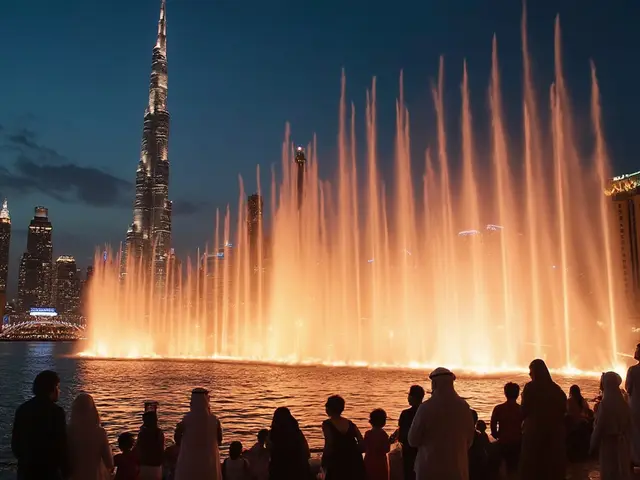
Dubai doesn’t just sit on the map-it jumps off it. One minute you’re standing in a sea of golden dunes, the next you’re staring up at a glass tower that reflects the sky like a mirror. This city doesn’t choose between desert and sea. It forces them to dance together, and the result is unlike anywhere else on Earth.
The Palm Jumeirah: An Island Built on Water
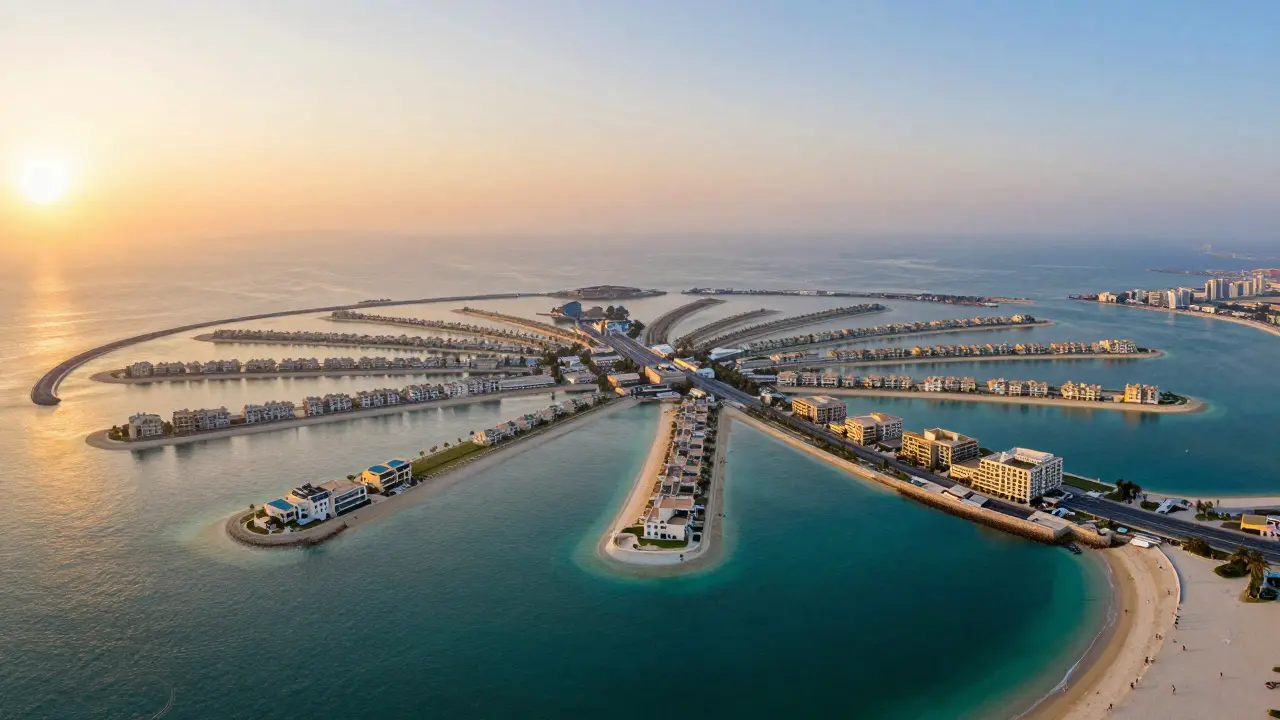
The Palm Jumeirah isn’t just an artificial island. It’s a statement. Built using 120 million cubic meters of sand and 7 million tons of rock, this palm-shaped landmass stretches into the Persian Gulf like something out of a sci-fi movie. At its center, the trunk holds luxury hotels. The fronds? They’re lined with private villas and beach clubs. Walk along the crescent that wraps around the whole thing, and you’ll see locals jogging, tourists snapping selfies, and fishermen casting nets just beyond the breakwater. This isn’t just a tourist spot-it’s a functioning part of Dubai’s coastline, where the sea doesn’t just surround the desert, it reshapes it.
Desert Safari: Sand, Speed, and Stars
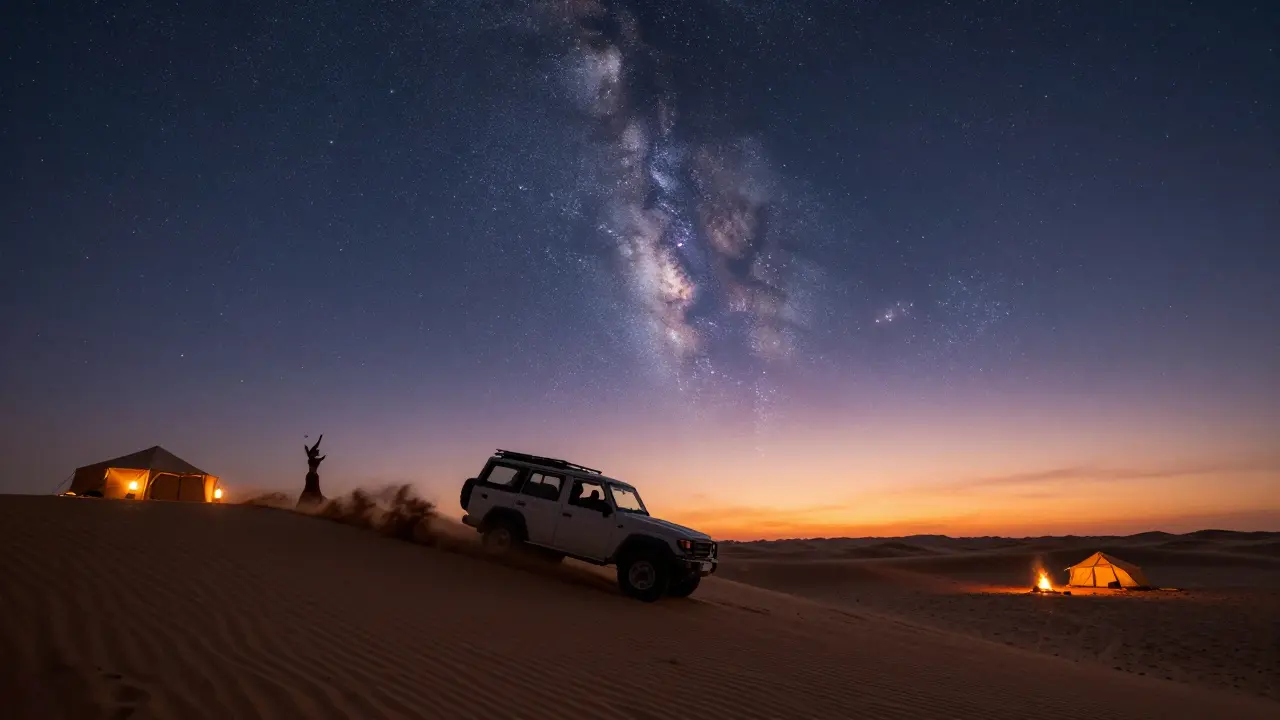
Head inland, just 30 minutes from downtown, and the city disappears. The road ends. The asphalt gives way to dunes that roll like frozen waves. This is where the real Dubai lives. Desert safaris aren’t just rides-they’re experiences. You’ll bounce in a 4x4 over dunes that climb 30 meters high, then slide down at speeds that make your stomach drop. At sunset, you’ll stop at a Bedouin-style camp. The air cools. The sand still holds the heat. You’ll sip cardamom coffee while a belly dancer moves to drums, and then-when the sky goes black-you’ll look up. No light pollution. Just the Milky Way, clear and thick, as if someone spilled stars across the ceiling.
The Dubai Marina: Where the Sea Gets a City
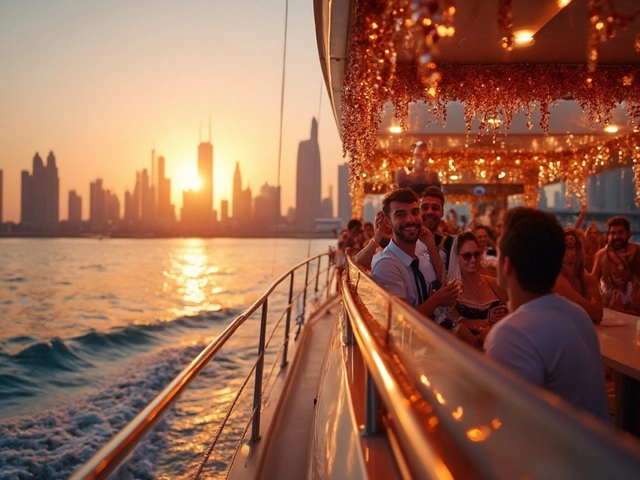
The Dubai Marina isn’t just a waterfront. It’s a man-made harbor that holds over 800 yachts, a dozen high-rise hotels, and a promenade that never sleeps. At night, the buildings glow in colors that change like mood lighting. You can take a dhow cruise-traditional wooden boats with LED lights-and glide past skyscrapers that look like they were designed by aliens. The water here is calm, clear, and kept clean by daily maintenance crews. Locals come here to jog, families eat at open-air restaurants, and couples sit on benches watching the boats pass. This is where the desert city decided to throw a party by the sea-and invited everyone.
Al Marmoom Desert Conservation Reserve: The Quiet Side
Most tourists skip this place. And that’s exactly why you should go. Al Marmoom is the largest protected desert area in Dubai, covering over 200 square kilometers. It’s home to oryx, sand foxes, and migratory birds you won’t find anywhere else in the UAE. There are no souvenir shops here. No selfie sticks. Just silence, sand, and the occasional sound of a falcon circling overhead. You can book a guided nature walk, a camel trek, or even a star-gazing night. It’s the only place in Dubai where you can stand in the middle of the desert and hear the ocean in the distance-because the sea isn’t far, and the desert doesn’t forget it’s connected to it.
The Beaches: More Than Just Sun and Sand
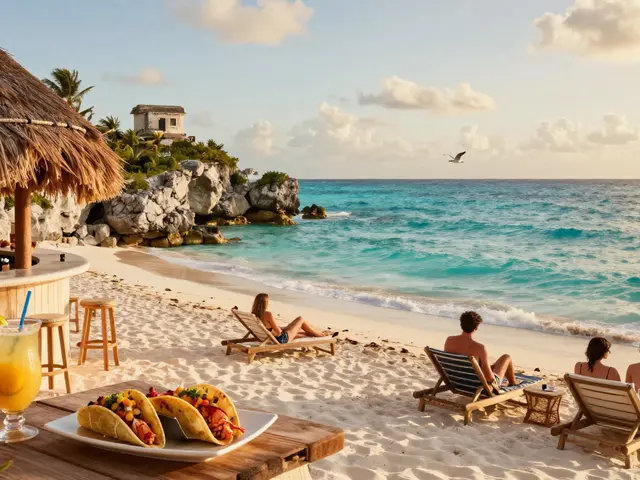
Dubai’s beaches aren’t just for lounging. Jumeirah Beach is where you’ll see Emirati families picnicking under shaded umbrellas, while tourists swim in the calm, turquoise water. Kite Beach? It’s a hub for paddleboarders, yoga groups, and kite surfers who ride the wind off the Gulf. Black Sand Beach, near the Dubai Desert Conservation Reserve, gets its name from crushed coral and shells-not volcanic rock. It’s cooler underfoot, quieter, and less crowded. These aren’t generic resort beaches. Each one has its own rhythm, its own crowd, its own reason for being.
The Burj Al Arab: A Sail in the Sea
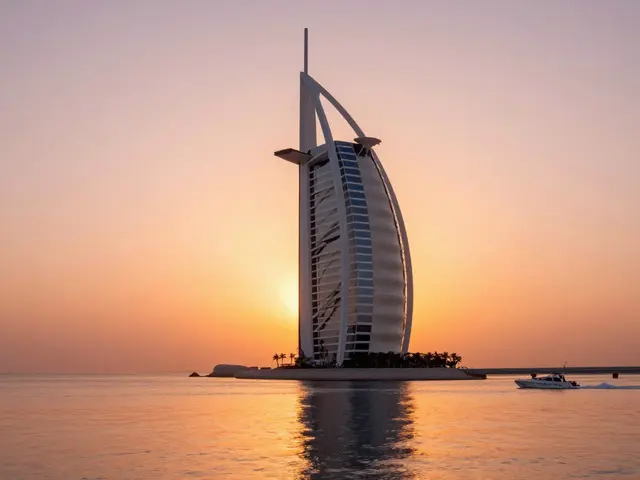
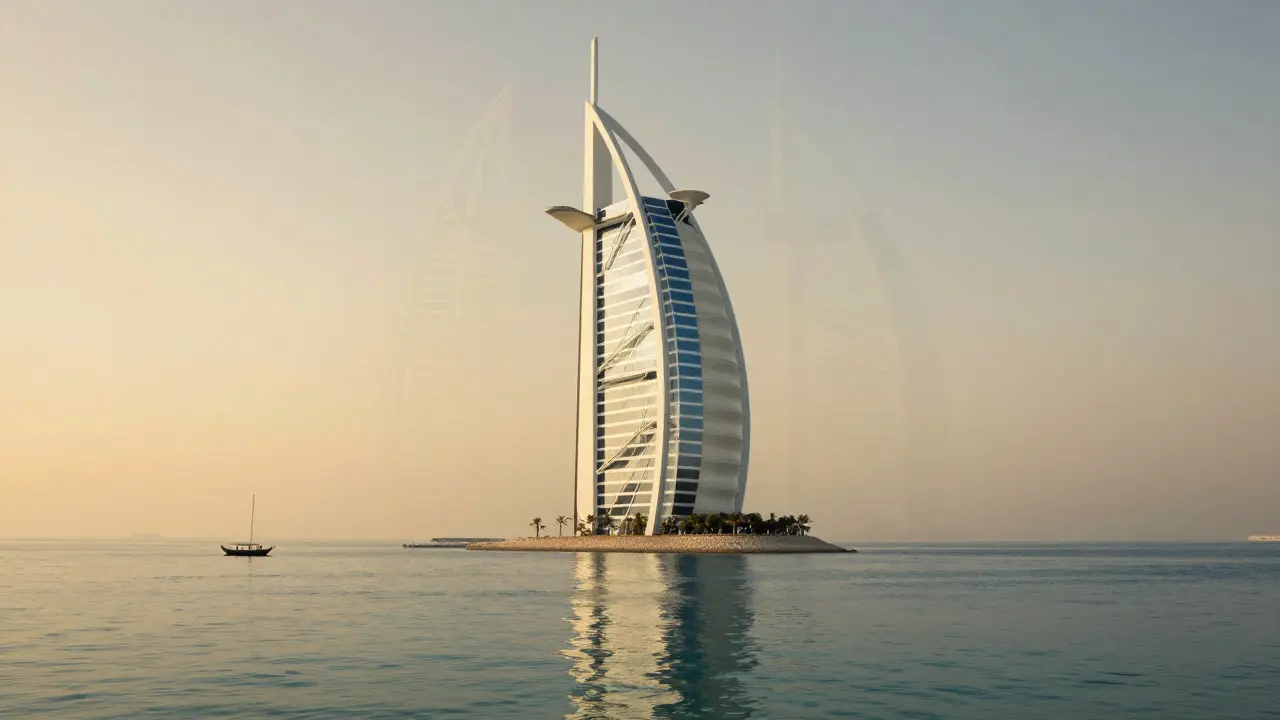
It’s not the tallest building. It’s not even the most expensive. But the Burj Al Arab? It’s the most iconic. Built on its own artificial island, it looks like a sail caught mid-billow. You can’t stay here unless you’re willing to pay $1,000 a night. But you can walk into its lobby, stand under the world’s tallest atrium, and look out over the Arabian Gulf. The hotel doesn’t just sit on the water-it leans into it. The sea is part of its design, its identity, its soul. Even the indoor waterfalls here are fed by saltwater pumped from the ocean. This building doesn’t pretend to be a desert palace. It knows it’s a sea creature, too.
How Dubai Made the Impossible Feel Normal
Dubai didn’t wait for nature to hand it something beautiful. It took what it had-endless sand, a shallow sea, a hot sun-and turned it into something that defies logic. The desert isn’t kept away from the sea. It’s invited in. The sea isn’t blocked by skyscrapers. It’s framed by them. You can sip a coffee on a rooftop overlooking the dunes, then hop in a taxi and be at the beach in 20 minutes. That’s the rhythm here. No separation. No boundaries. Just two extremes, living side by side, and somehow, making each other better.
What You Won’t See on Instagram
Behind the glitter, there’s work. Every beach is cleaned daily. The desert safari routes are monitored to prevent erosion. The palm islands are maintained by teams that check for sand loss and structural shifts. The Burj Al Arab’s sail is washed weekly with special salt-resistant coatings. This isn’t magic. It’s maintenance. Dubai’s attractions don’t stay perfect by accident. They’re cared for, constantly, by people who know that the desert and the sea don’t just coexist-they depend on each other.
Can you swim in the sea in Dubai year-round?
Yes. The water stays warm enough for swimming from April to November, with average temperatures between 26°C and 31°C. Even in winter, most beaches have calm, clear water. Some hotels and private beaches heat their pools, but the sea itself doesn’t freeze-Dubai’s climate doesn’t allow it.
Is the desert in Dubai safe for families?
Absolutely. Many desert safari operators offer family-friendly packages with slower dune bashing, kid-friendly meals, and cultural shows. Children under 12 are often given safety harnesses in 4x4s, and most camps have shaded areas, clean restrooms, and non-spicy food options. Al Marmoom Reserve is especially safe, with trained guides and no wildlife threats.
What’s the best time to visit Dubai’s attractions?
November to March is ideal. Temperatures hover between 20°C and 28°C, making desert safaris comfortable and beach days pleasant. Summer (June to August) can hit 45°C, and the humidity makes the sea feel like a sauna. Most locals travel abroad during summer and return in winter-so if you want to avoid crowds, go in January or February.
Are Dubai’s beaches public?
Yes, most beaches are public, including Jumeirah Beach and Kite Beach. Some areas near hotels have private sections, but the main stretches are open to everyone. You’ll find free parking, showers, and restrooms at major beaches. Just dress modestly-cover shoulders and knees if you’re not swimming.
How do you get from the desert to the sea in Dubai?
It’s easy. Most desert safari tours start and end in Dubai city, and the drive to the beach takes 20 to 30 minutes depending on traffic. Renting a car gives you the most freedom-you can do a morning desert tour and be at the beach by afternoon. Public transport like the Dubai Metro doesn’t reach the desert, but taxis and ride-share apps are cheap and widely available.
Final Thought: It’s Not a Contrast. It’s a Blend.
Dubai doesn’t balance the desert and the sea. It merges them. You don’t choose one over the other. You experience both in the same day. The same city. The same breath. That’s why it sticks with you. Not because it’s flashy. But because it’s real-built on the idea that nature, even when shaped by human hands, still holds its own power. The sand remembers the tide. The sea remembers the wind. And Dubai? It remembers how to let both live together.